RESEARCH and INNOVATION
Our ever-expanding resource on all things Boron is here. Find out what is the difference betwen Boron, Borax and Borates, What are Boronate compounds? Why are Boron Nitride Nanotubes the hottest thing in advanced energy? Who are the main producers of Boron? Where should you put your hard-earned money to invest in Boron stocks?
Boron Monosulfide Nanosheets
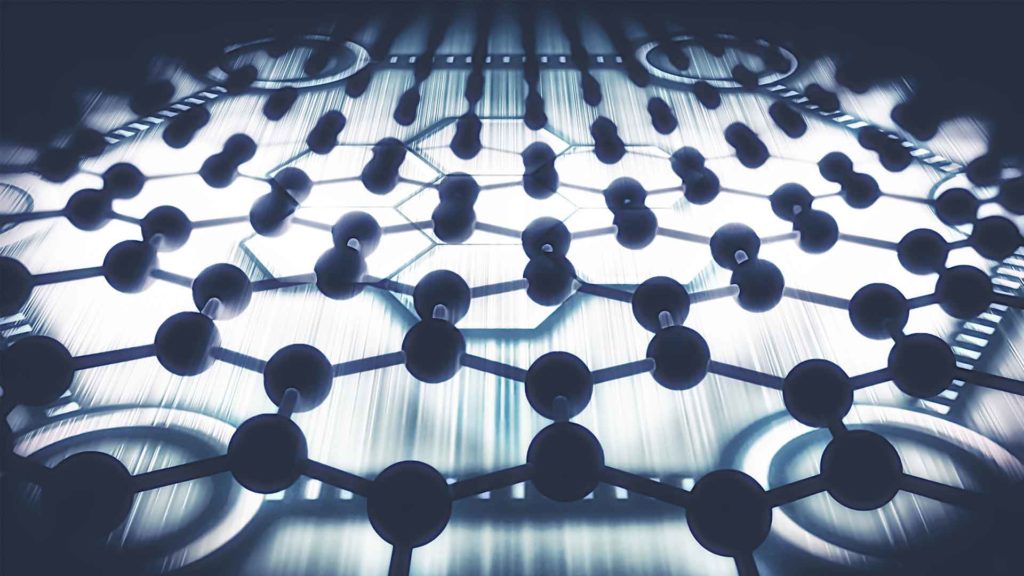
Boron monosulfide nanosheets may provide efficient energy sources in applications including batteries, catalysts, and electronic devices. Boron monosulfide nanosheets unique structures, giving them exciting superconducting, thermoelectric properties.

Boron Research Areas
Boron Research ranges from commercial technologies to extensive studies in chemistry, notably boron nitride nanotubes and hydrogen-boron fusion. In commercial endeavors, boron is a new-age material stock driving innovation and performance in various fields.

Ultimate Guide to Boron Markets
Learn more about well-researched forecasts for the various global boron markets.

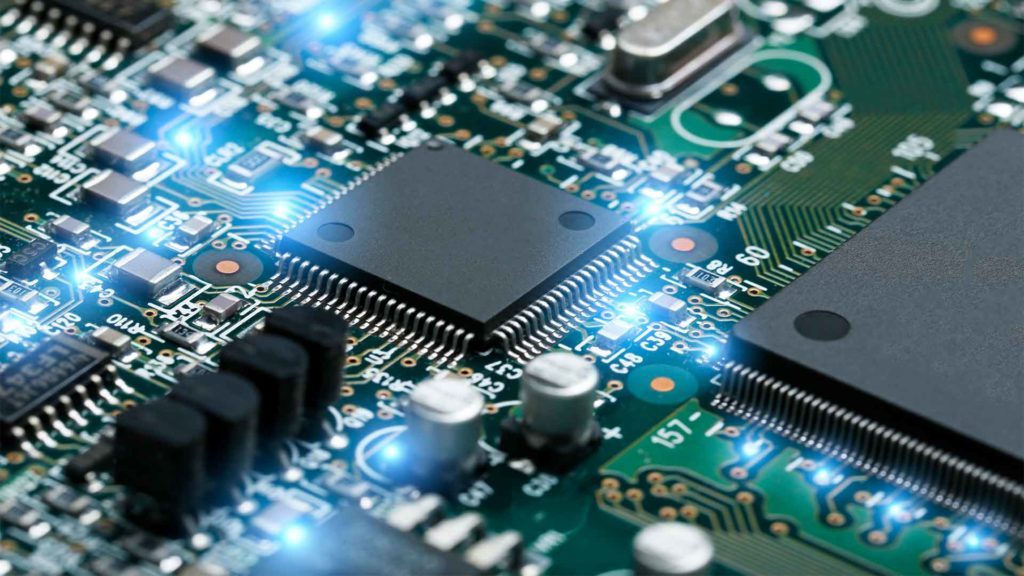
Boron Nitride Powers Thermal Conductivity
Boron nitride, also known as "white graphite," is a semiconductor material that conducts electricity. It is chemically inert and electrically insulating with no bandgap in the bulk phase that would allow it to emit light when excited by an energy source. Because of its excellent thermal conductivity properties, layers of boron nitride are often added onto other materials like silicon carbide (SiC) for use in high-efficiency power devices like thermoelectric cooler packages (TECs).
Boron Suzuki Coupling
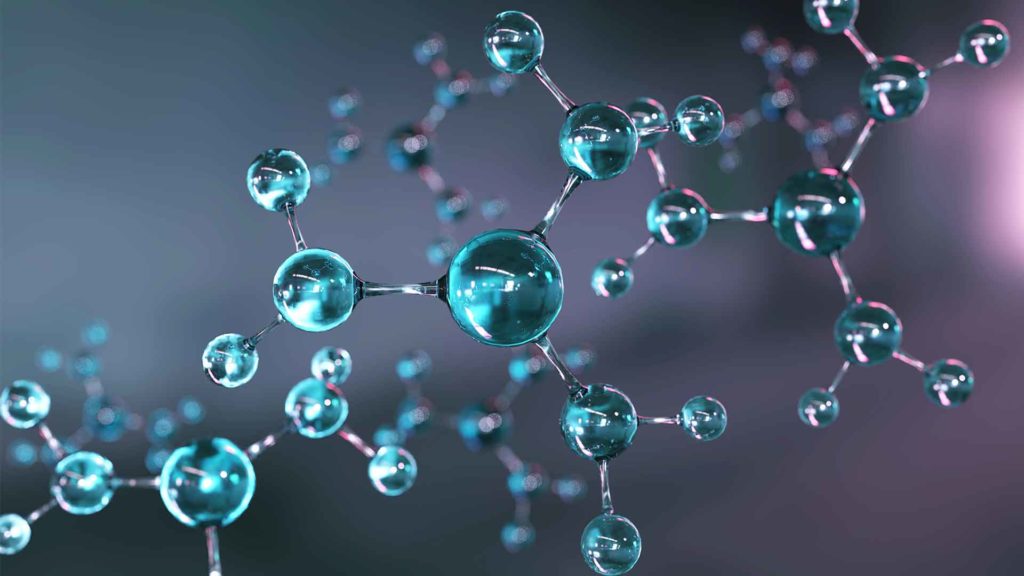
Boron chemistry has become one of the most versatile and valuable fields in organic catalysis and synthesis. Numerous useful reactions like hydroborylations or Suzuki-Miyaura cross-couplings - Boron suzuki coupling -are now indispensable to the synthetic toolbox of both academia and industry researchers. The development of C(sp3)-Boron reagents and subsequent metal-catalyzed cross-couplings serves to accelerate innovative applications of otherwise challenging organic adducts across multiple areas.

5 Ways Boron Can Be An Extrication Agent
The use of boron steel in extrication is an important factor to consider because it has a tensile strength that’s close to titanium, which makes it perfect for emergencies where you need something durable and strong enough to cut through metal or other materials to extract people from dangerous scenarios.


Hydrogen Boron Fusion – Creating New Energy
Hydrogen-Boron 11 fusion -Boron Hydrogen Fusion - has always been the ultimate fusion reaction. It does not create radioactive waste and its fuels are both abundant in nature and non-radioactive. Few other researchers had studied this reaction as it was considered scientifically too difficult. The temperatures required to ignite the reaction are more than 100 times higher than that of the sun – a technical hurdle that has held back practical energy generation for decades.
Boronates: Esters and Salts of Boronic Acid
Boronates are esters and salts of boronic acid. Boronic acid is a compound related to boric acid in which one of the three hydroxyl groups has been replaced by either an alkyl or an aryl group. The boronic acids are derived from boron, an element found in the earth's crust as boric oxide (B(OH)O). Boronic acids are produced when a borate salt reacts with acetic or propionic acid to form the corresponding boronic acid

Boron-based Polymers for EV Storage
Boron-based Polymers for EV Storage: Boron-based Polymers to Improve Electric Vehicle Energy Storage: Boron-based polymers such as BNNTs are 2D nanomaterials with excellent properties for improving electric vehicle energy storage given their high surface areas, large aspect ratios, and good thermal conductivities. Borates Today examines the potential for use of BNNTs in electric vehicle transmissions and batteries.
Rio Tinto Ramps Up Jadar Valley Green Lithium Efforts
Extract: The Jadar Lithium Borate project in Serbia by the Rio Tinto group will produce battery-grade lithium carbonate and borates essential for developing and operating renewable energy equipment. Rio Tinto intends to finish the construction of the underground mine in 2026. The company plans to invest $200 million in the project and begin construction in 2022. Rio Tinto expects to finish the land acquisition, technical documentation preparation, and environmental assessment study by the end of 2021.
Boron a Superconductive Element
Boron is the superconductive element of the ceramic family. It's characterized by a wide variety of applications and unique properties.

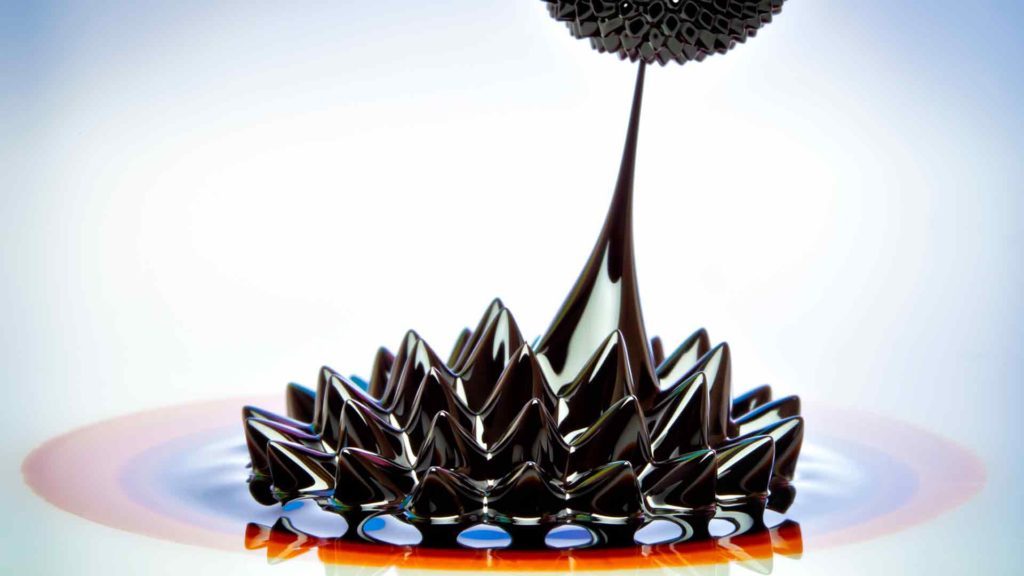
Boron Magnets Prize for Inventor
Boron Magnets Prize: Dr. Masato Sagawa, President of NDFEB Corporation in Kyoto, Japan, has been awarded the 2022 Queen Elizabeth Prize for Engineering for innovative work on Boron magnets. He invented the neodymium-iron-borate magnet, which is at the heart of green energy and carbon reduction efforts, powering wind turbines and other renewable systems.
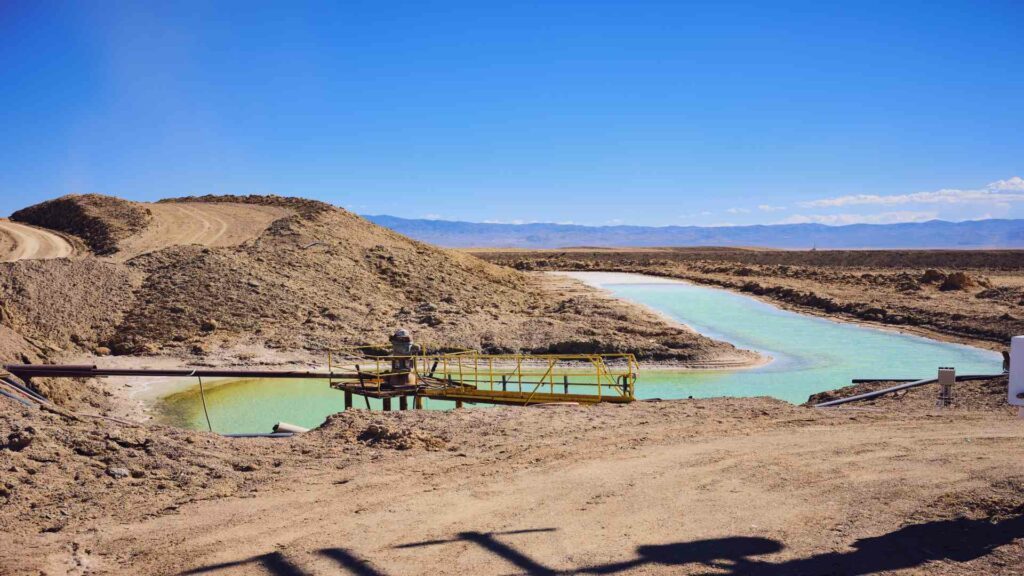
Lithium Miners To Watch In Upcoming Years
December closed out with a surge of momentum for the Lithium Miners where investors are looking forward to investing in these companies.

Boron Trifluoride Market Analysis: 2022-2029
Boron trifluoride (BF3) is a chemical compound and is colorless, toxic, corrosive gas used in rocket propellants, refrigerants, and etchants for silicon and glass. The global market for boron trifluoride is expected to grow with a CAGR of 5.3% from 2022 to 2029 and reach US$ 389.4 million in 2029.

Boron Fluoride
Boron and Fluorine have several forms, mono fluoride, boron trifluoride and diboron tetrafluoride. Boron monofluoride is often referred to as Boron fluoride. Boron trifluorid is a stable gas at low temperature. While diboron tetrafluoride boils at -34 degrees centigrade. Boron fluoride compounds have several applications in health and remediation technology and agricultural fields.


Boron and the war on Cancer
Boron is a natural mineral that helps with different aspects of health. One of the most important roles it plays in our bodies is to help maintain healthy tissues. This includes bones and cells. It is an effective treatment for many types of cancer. Because it can stop tumor growth and reduce inflammation in the body. Let’s take a look at how this mineral works its magic on some common cancers. So does Boron battle cancer?
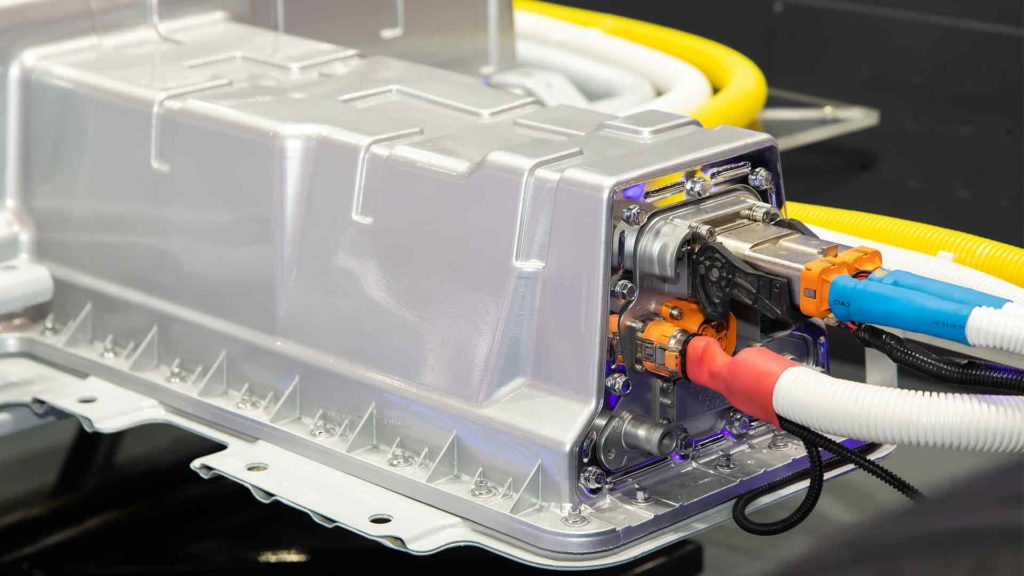
Company Profile of Li-S Energy Limited – Boron Battery
Li-S Energy Limited, established in 2019, is an Australian company, a joint venture between Li-S Energy's founding shareholders, PPK Group, BNNT Technology, and Deakin University. Its purpose is to develop a new battery technology that incorporates Boron Nitride Nanotubes, which are more efficient, lower cost, and greener than current batteries for markets including automotive, defense and aviation.
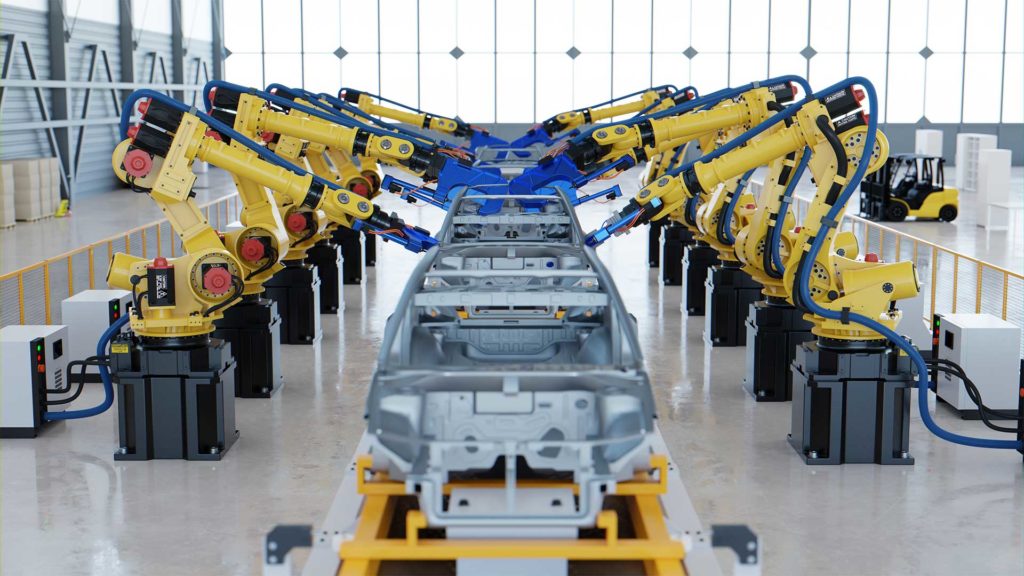
Tensile Strength in Auto Manufacturing
Boron alloy steels with high tensile strength can be carbon, low alloy, HSLA, and carbon-manganese. Boron's high neutron absorbtion means that stainless steels used for nuclear industry, for instance, are often enriched with boron. It can be as high as 4%, but is more commonly 0.5 to 1 percent.
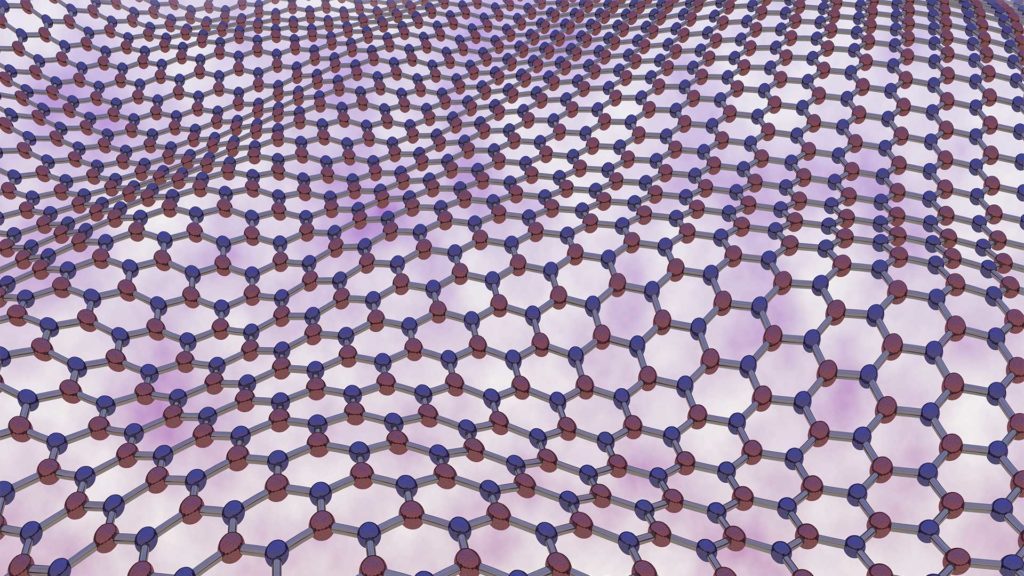
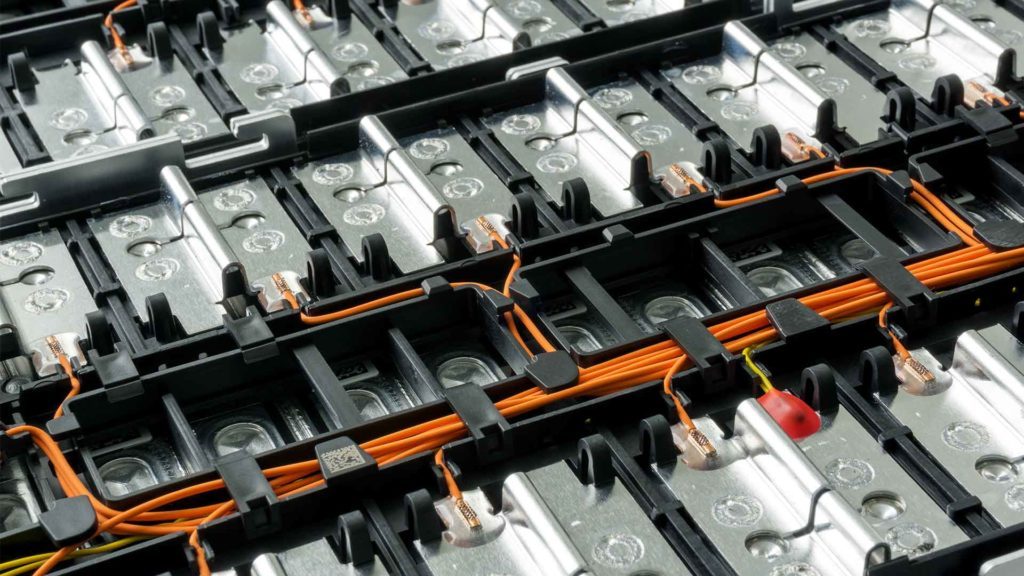
Boron Salts for Batteries
Boron salts for batteries is part of ongoing studies into boron's use to improve the performance of lithium-ion batteries. Boron salts and boron nanotubes are two new materials being developed for use in Li-ion and Li-S batteries.
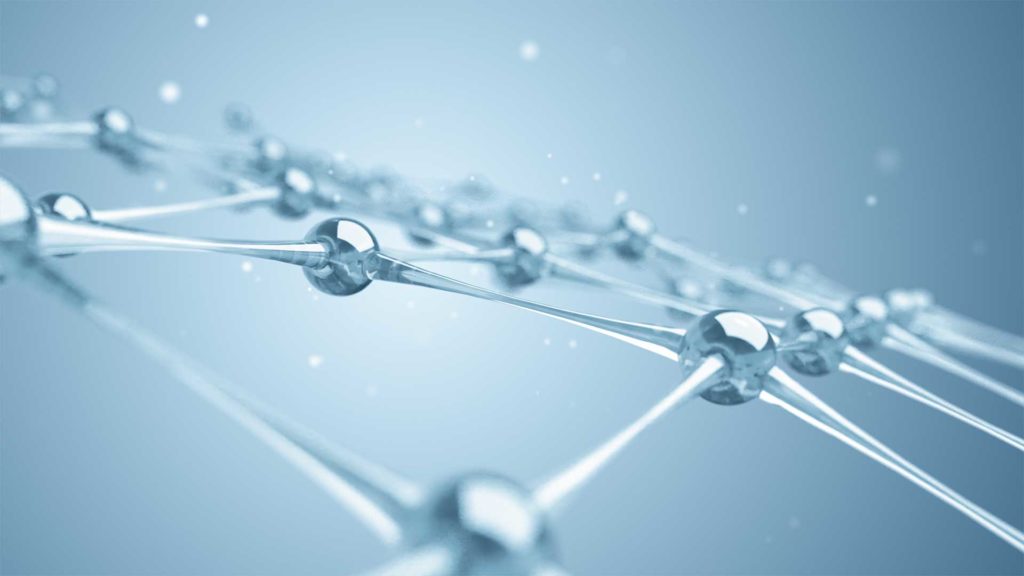
Boron Nanotubes BNNT Stability for Electronics
The Boron Nitrate Nanotube is a novel material with unique properties, including high thermal conductivity and chemical stability. It has been used in many applications such as heat transfer fluids, lubricants, coatings for semiconductors, catalysts, etc., but its use in batteries was not explored until recently. The first report of the application of BNNTs in Li-ion batteries appeared only in 2020.
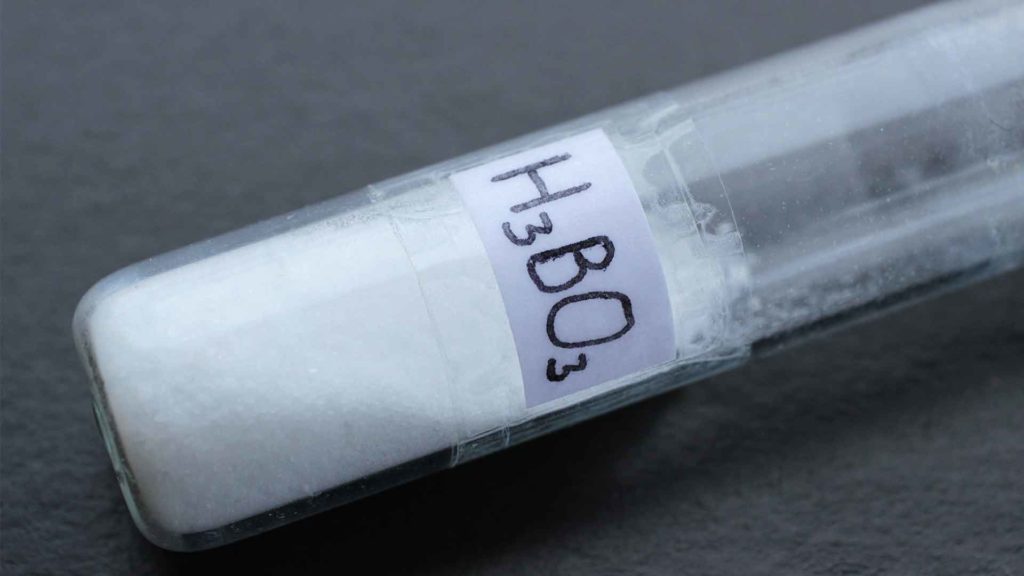
Boron and Boronate Compounds
Boronates are esters and salts of boronic acid. Boronic acid is a compound related to boric acid in which one of the three hydroxyl groups has been replaced by either an alkyl or an aryl group. The boronic acids are derived from boron, an element that is found in the earth’s crust as boric oxide (B(OH)O). Boronic acids can be produced by reacting a borate salt with either acetic or propionic acid to form the corresponding borinic acid.
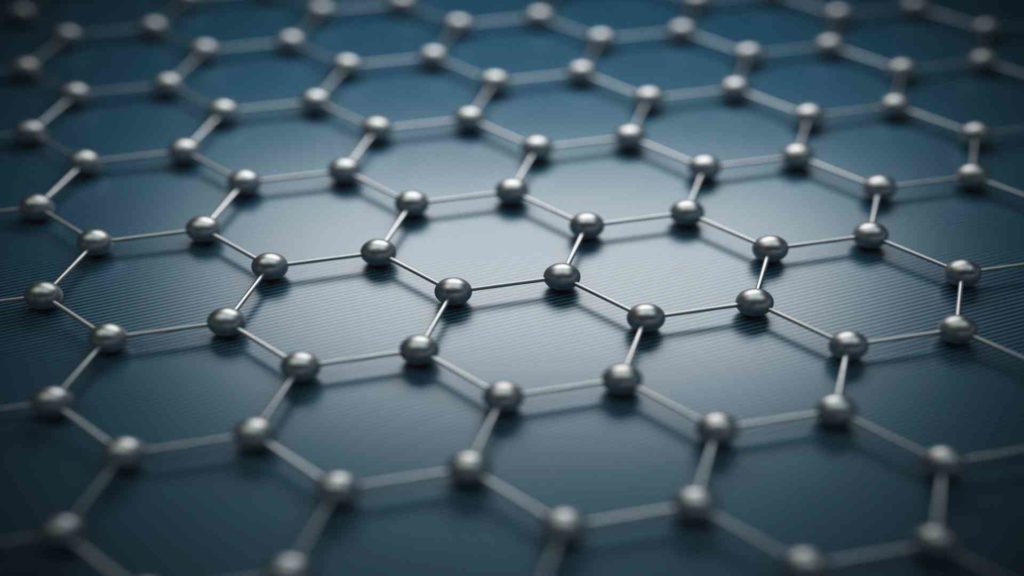
Can Borophene Compete with Graphene?
Borophene is an innovative new 2D mono-atomic material that can rival Graphene in terms of strength and flexibility. Also cheaper to produce and is a better conductor. Borophene is categorized as the best alternative that goes beyond the benefits and quality Graphene provides.

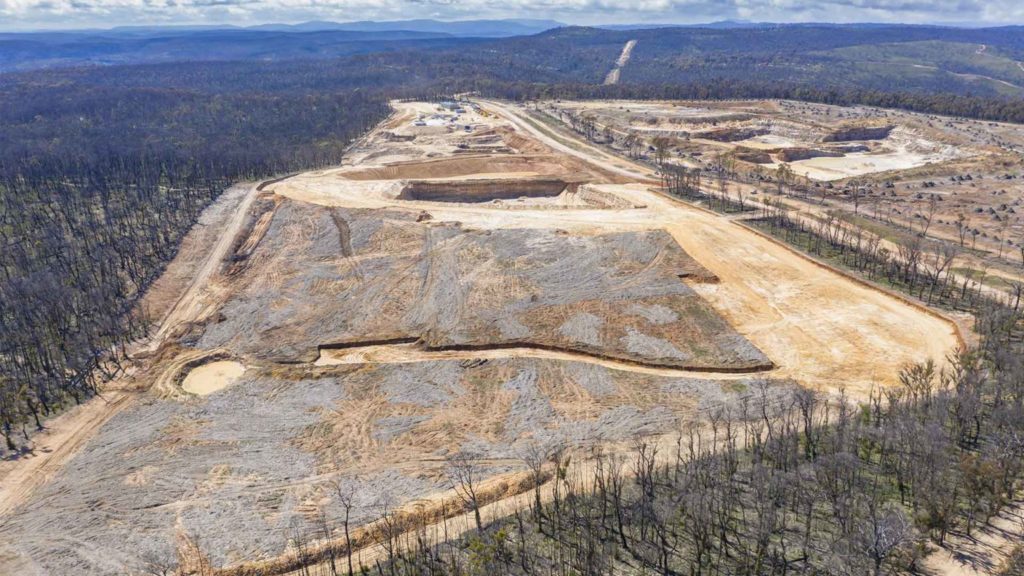
Lithium Borate Project Ioneer
A collaboration between Ioneer and Sibanye Stillwater has recently been announced toa Lithium-boron mining project. Ioneer chose this established mining company as a partner for this joint venture. A feasibility study provided definitive results in 2020, validating the project as a world-class resource.
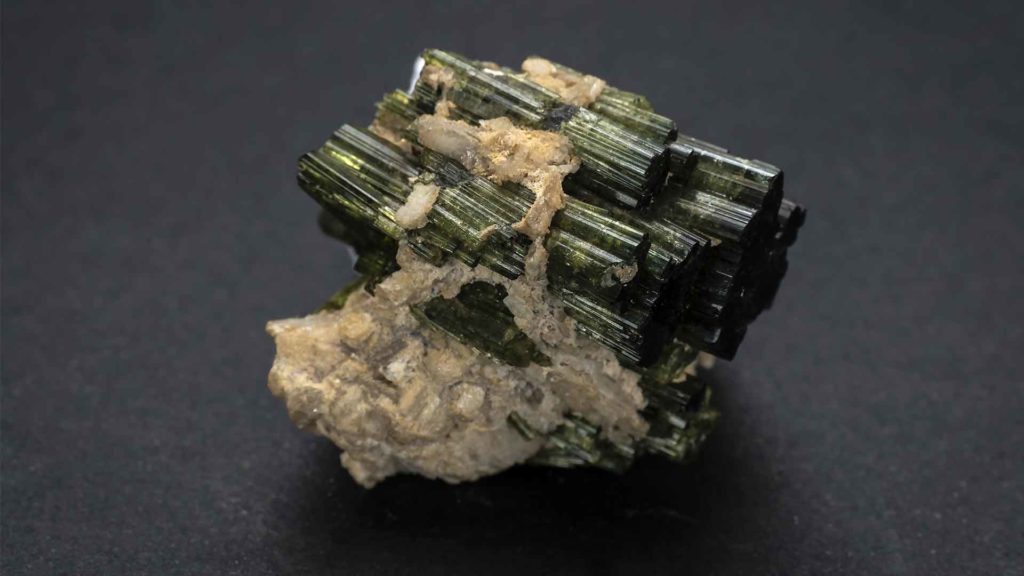
Industry Leader in Boron Products : Rose Mill
Rose Mill Company is on the rise because of its scientific innovation and robust distribution system. Boron is one of the most sought-after elements in the manufacturing world today, from solar energy carriers to ceramics.

PFAS And Boron
Boron Nitride is an excellent catalyst for reducing harmful PFAs. It is an organic metal oxide that breaks down PFAS into carbon dioxide and fluoride salt.
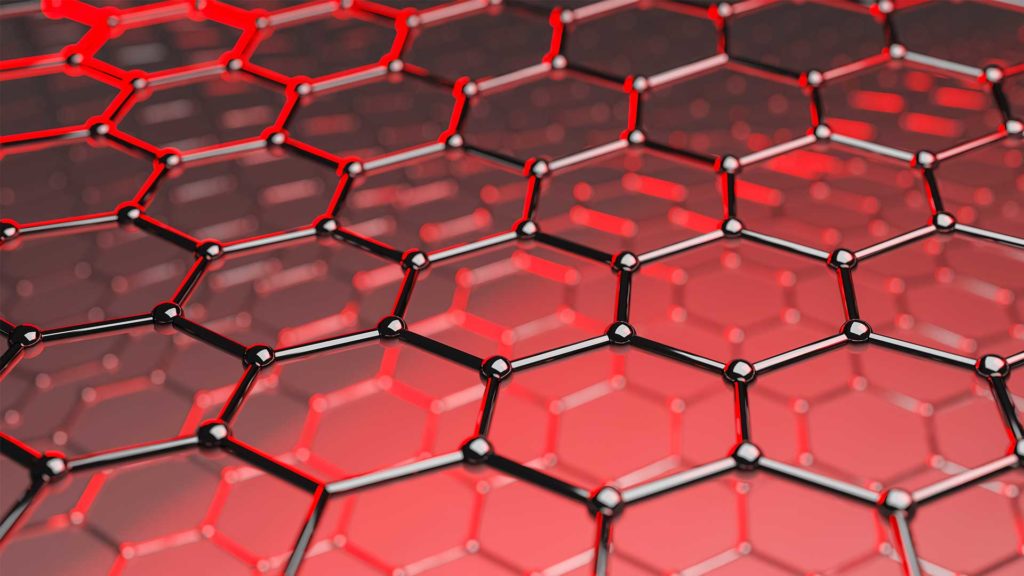
Graphene and Boron – a Mighty Combination
The materials of the future is here now! Boron doped Graphene (B-G) happens to be developed as an anode product for lithium-ion batteries!
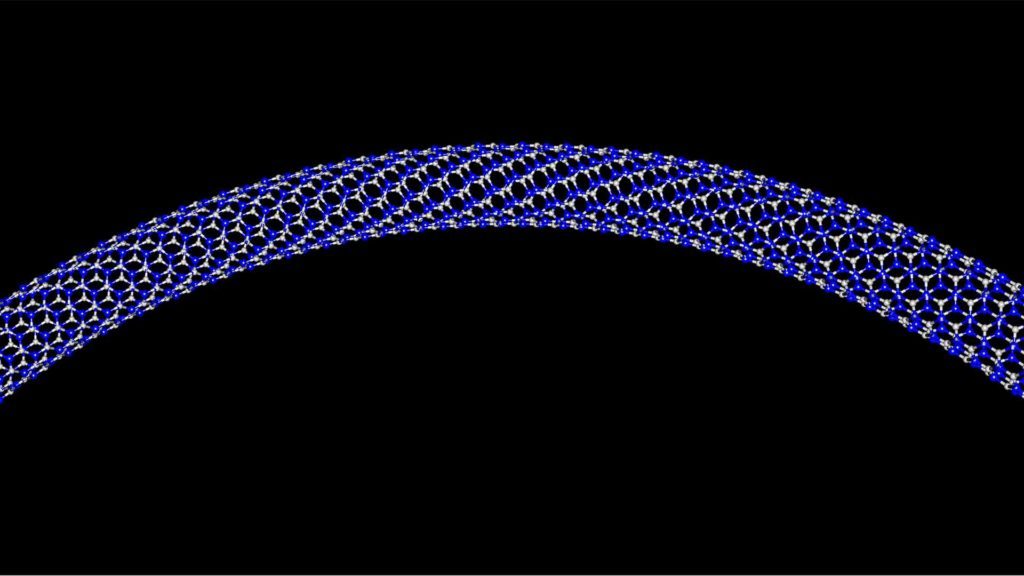
Boron Nitride Nanotubes
Boron nitride nanotubes are a new material that has been studied for use in strengthening lightweight materials, such as plastics and polymers. It is also being researched for use in electronics, aerospace engineering, and medicine. The Boron Nitride Nanotubes market has grown steadily over the past few years.
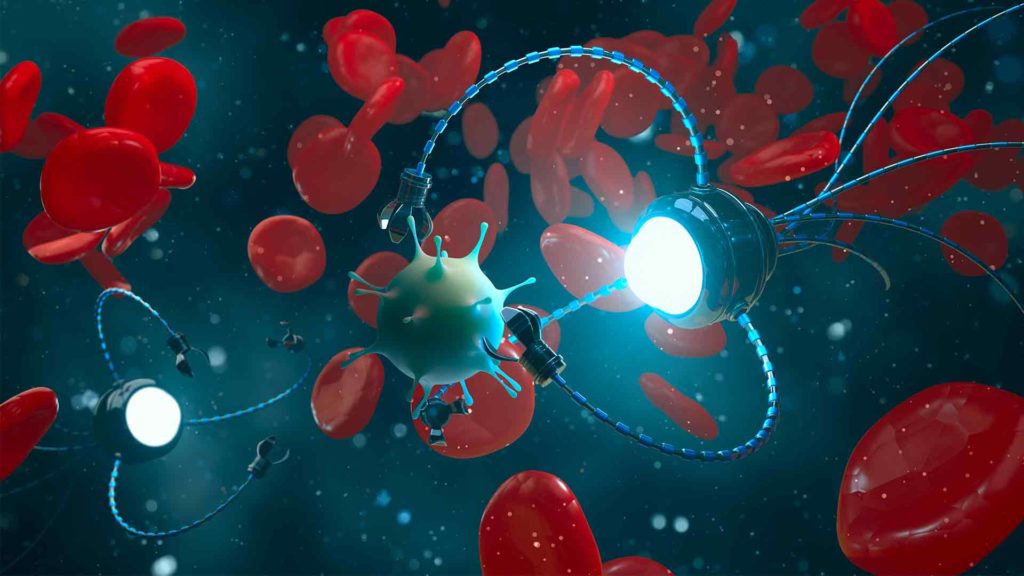
Boron Nitride Biomedical Nanotechnologies
Boron Nitride( BNNT) is being considered as nanocarriers for Curcumin. This combination supports lower dosage and targeted release, ensure that the optimum amount of a drug reaches the site of action, bypassing barriers such as acidic pH of the stomach and liver metabolism. Cancer research and therapies may benefit from this combination.
Clean Fuels Using Boron for a Cleaner Future
Boron is essential when we talk about clean fuels for ecomonical future. The Advanced Energy sector is on fire in recent years as it continues to grow and innovate new technologies. It will power our homes, cars, and businesses for generations. To combat climate change, we need to cut our reliance on fossil fuels. Renewable energy is the answer. We are now in a position where technology is advanced enough.
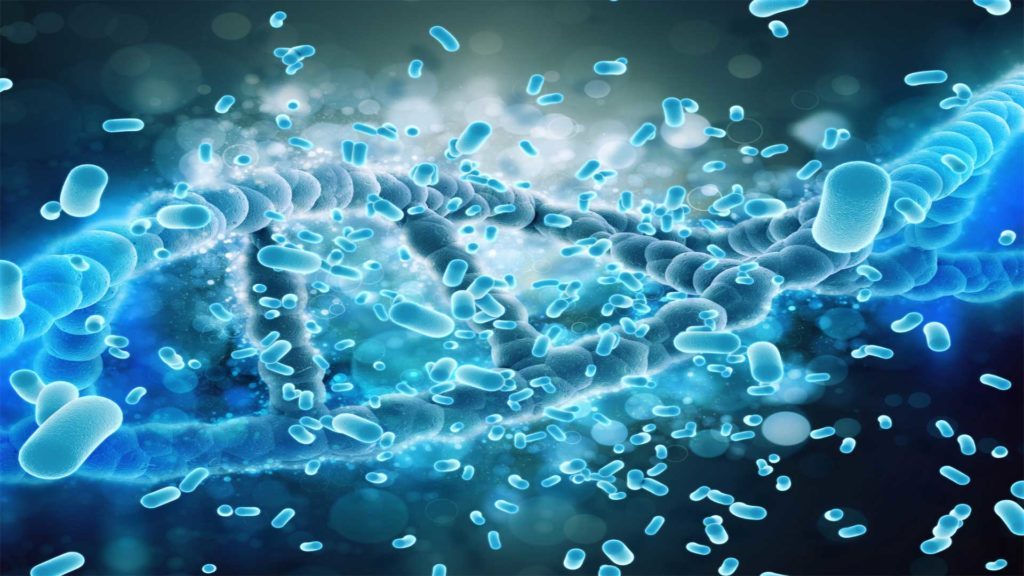
Bacteria Boron-Carbon
Bacteria Boron-Carbon is a type of bacteria that is found in the soil, water, and air. Boron-Carbon is effective in treating disease-causing bacteria found naturally on plant surfaces, such as treatment for managing diseases like leaf spots and powdery mildew.
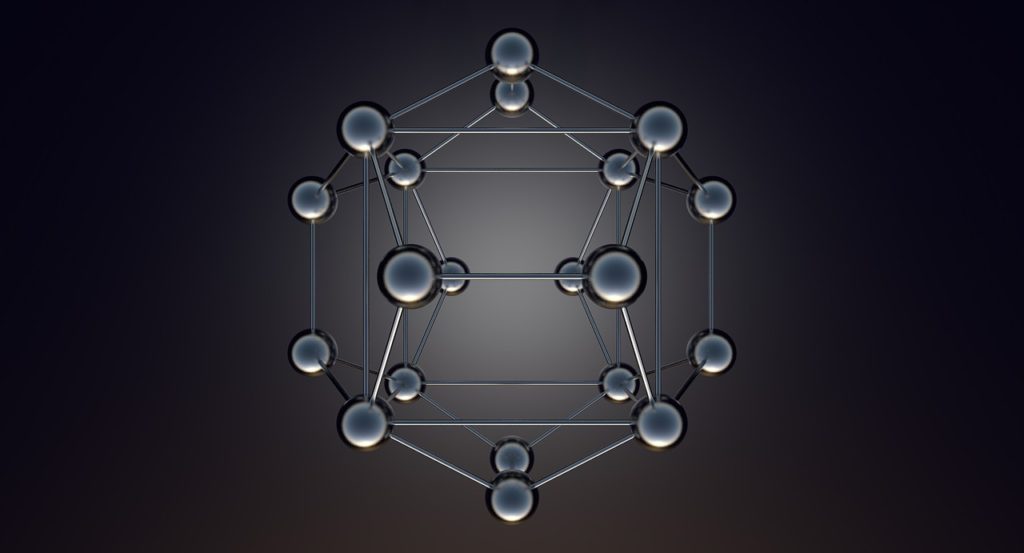
Boron Allotropes and Forms
Boron Allotropes take several forms and account for boron's presence in multiple natural and man-made products. Allotropes are different structural forms of an element. Boron has more that 14 allotropes have been reported.

Boron the Next Big Energy Carrier
Scientists are finding new ways to convert Boron into an energy carrier. The conversion process includes two steps: first heating up water with calcium oxide until it evaporates completely; then, after boiling off all the liquid, you get white crystalline material that hold energy.

Origins of Boron
Origins of Boron. Boron exists naturally in very small amounts on Earth. It is found mainly in the earth's crust in boric acid (HBO(OH)), but can also exist in compounds with various elements including fluorine, oxygen, and sodium. Boron makes up about 2.4% of the total of the crust.


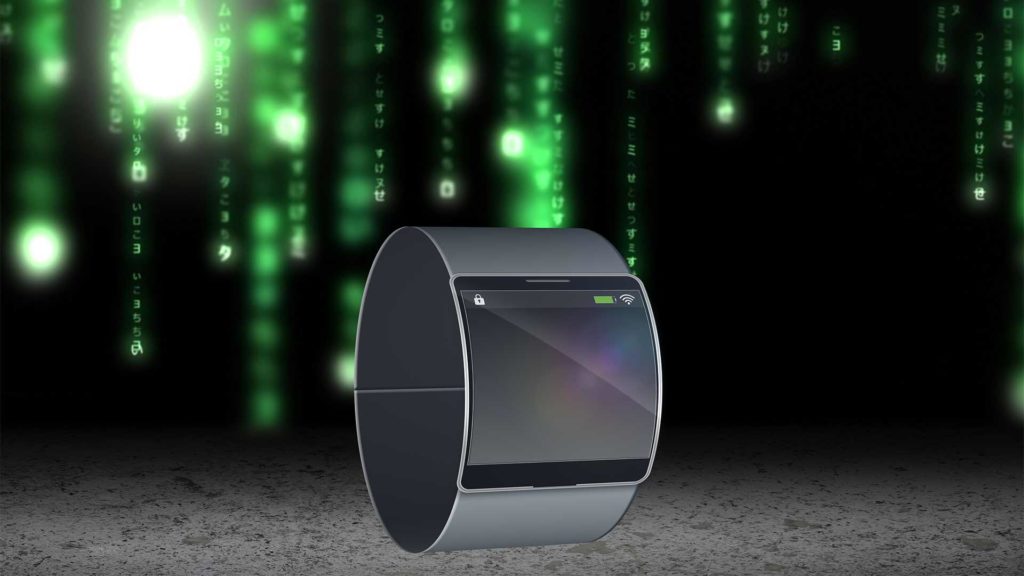
Boron Wearable Memory Devices
Boron wearable memory devices: Developing boron-based nanomaterials for flexible memory devices for wearables is being explored by researchers in Korea. The devices can potentially be used to store, process, and communicate data on the move.

Introduction to Boron and Borates
The role of Boron has become much more strategic. Boron is now at the heart of tackling global warming, decarbonization, food security among other uses and applications. Borates Today has an initiative to bring awareness of Boron to the forefront of our thinking: We have only one planet. Resources are finite, and it is our joint responsibility to take action to make the world a better place for future generations.
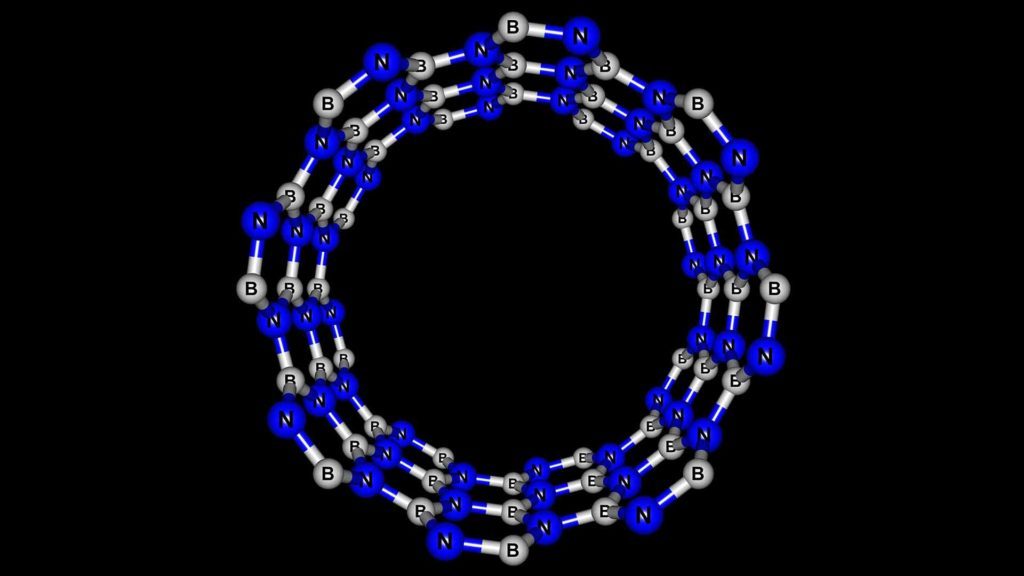
Boron Nitride
Boron nitride nanotubes are a relatively new technology with the potential to revolutionize many industries. Boron nitride is a ceramic material that can be used in high-temperature applications. Boron nitride is often used for insulation in the aerospace industry thanks to its ability to withstand extreme temperatures while still being lightweight.
Lithium Miners To Watch In Upcoming Years
December closed out with a surge of momentum for the Lithium Miners where investors are looking forward to investing in these companies.
Ultimate Guide to Boron Markets
Learn more about well-researched forecasts for the various global boron markets.
Boron Trifluoride Market Analysis: 2022-2029
Boron trifluoride (BF3) is a chemical compound and is colorless, toxic, corrosive gas used in rocket propellants, refrigerants, and etchants for silicon and glass. The global market for boron trifluoride is expected to grow with a CAGR of 5.3% from 2022 to 2029 and reach US$ 389.4 million in 2029.
Can Borophene Compete with Graphene?
Borophene is an innovative new 2D mono-atomic material that can rival Graphene in terms of strength and flexibility. Also cheaper to produce and is a better conductor. Borophene is categorized as the best alternative that goes beyond the benefits and quality Graphene provides.
Boron-based Polymers for EV Storage
Boron-based Polymers for EV Storage: Boron-based Polymers to Improve Electric Vehicle Energy Storage: Boron-based polymers such as BNNTs are 2D nanomaterials with excellent properties for improving electric vehicle energy storage given their high surface areas, large aspect ratios, and good thermal conductivities. Borates Today examines the potential for use of BNNTs in electric vehicle transmissions and batteries.
PFAS And Boron
Boron Nitride is an excellent catalyst for reducing harmful PFAs. It is an organic metal oxide that breaks down PFAS into carbon dioxide and fluoride salt.
Boron Wearable Memory Devices
Boron wearable memory devices: Developing boron-based nanomaterials for flexible memory devices for wearables is being explored by researchers in Korea. The devices can potentially be used to store, process, and communicate data on the move.
Boron Magnets Prize for Inventor
Boron Magnets Prize: Dr. Masato Sagawa, President of NDFEB Corporation in Kyoto, Japan, has been awarded the 2022 Queen Elizabeth Prize for Engineering for innovative work on Boron magnets. He invented the neodymium-iron-borate magnet, which is at the heart of green energy and carbon reduction efforts, powering wind turbines and other renewable systems.
Boron Nitride Biomedical Nanotechnologies
Boron Nitride( BNNT) is being considered as nanocarriers for Curcumin. This combination supports lower dosage and targeted release, ensure that the optimum amount of a drug reaches the site of action, bypassing barriers such as acidic pH of the stomach and liver metabolism. Cancer research and therapies may benefit from this combination.
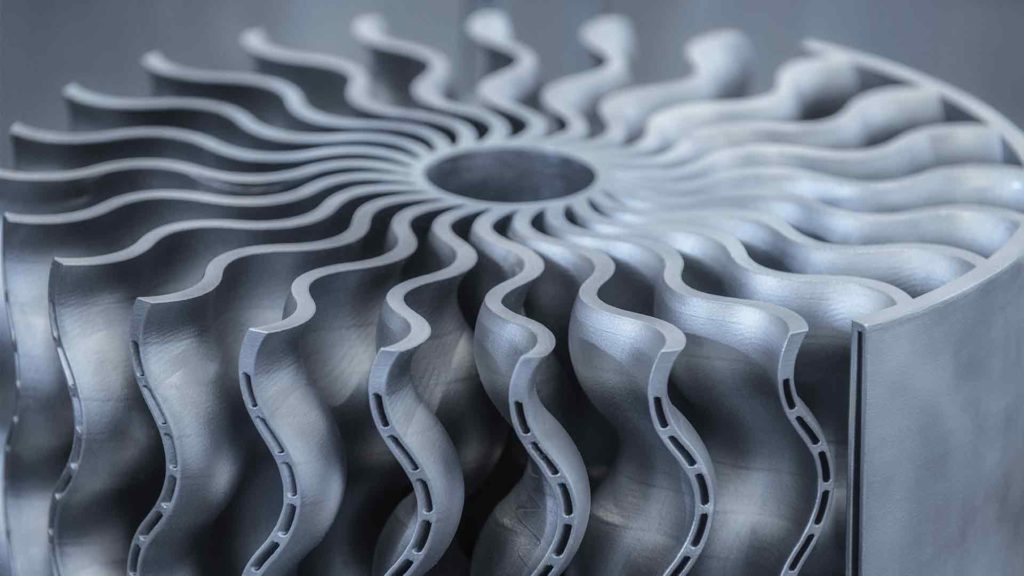
Boron 3D Metal Printing
AML3D and Deakin University's Institute for Frontier Materials (IFM) announces a series of collaborative feasibility projects exploring Boron 3D Metal Printing using Boron Nitride Nanotubes (BNNTs) in Wire Additive Manufacturing. The new composite could revolutionize Wire Additive Manufacturing (WAM) by enjoying far-reaching commercial industry implications for applications in 3D metal printing globally.
Boronates: Esters and Salts of Boronic Acid
Boronates are esters and salts of boronic acid. Boronic acid is a compound related to boric acid in which one of the three hydroxyl groups has been replaced by either an alkyl or an aryl group. The boronic acids are derived from boron, an element found in the earth's crust as boric oxide (B(OH)O). Boronic acids are produced when a borate salt reacts with acetic or propionic acid to form the corresponding boronic acid
Company Profile of Li-S Energy Limited – Boron Battery
Li-S Energy Limited, established in 2019, is an Australian company, a joint venture between Li-S Energy's founding shareholders, PPK Group, BNNT Technology, and Deakin University. Its purpose is to develop a new battery technology that incorporates Boron Nitride Nanotubes, which are more efficient, lower cost, and greener than current batteries for markets including automotive, defense and aviation.
Boron Fluoride
Boron and Fluorine have several forms, mono fluoride, boron trifluoride and diboron tetrafluoride. Boron monofluoride is often referred to as Boron fluoride. Boron trifluorid is a stable gas at low temperature. While diboron tetrafluoride boils at -34 degrees centigrade. Boron fluoride compounds have several applications in health and remediation technology and agricultural fields.
Boron Research Areas
Boron Research ranges from commercial technologies to extensive studies in chemistry, notably boron nitride nanotubes and hydrogen-boron fusion. In commercial endeavors, boron is a new-age material stock driving innovation and performance in various fields.
Boron Suzuki Coupling
Boron chemistry has become one of the most versatile and valuable fields in organic catalysis and synthesis. Numerous useful reactions like hydroborylations or Suzuki-Miyaura cross-couplings - Boron suzuki coupling -are now indispensable to the synthetic toolbox of both academia and industry researchers. The development of C(sp3)-Boron reagents and subsequent metal-catalyzed cross-couplings serves to accelerate innovative applications of otherwise challenging organic adducts across multiple areas.
Boron Monosulfide Nanosheets
Boron monosulfide nanosheets may provide efficient energy sources in applications including batteries, catalysts, and electronic devices. Boron monosulfide nanosheets unique structures, giving them exciting superconducting, thermoelectric properties.
Boron Allotropes and Forms
Boron Allotropes take several forms and account for boron's presence in multiple natural and man-made products. Allotropes are different structural forms of an element. Boron has more that 14 allotropes have been reported.
Boron Nitride
Boron nitride nanotubes are a relatively new technology with the potential to revolutionize many industries. Boron nitride is a ceramic material that can be used in high-temperature applications. Boron nitride is often used for insulation in the aerospace industry thanks to its ability to withstand extreme temperatures while still being lightweight.
Boron Salts for Batteries
Boron salts for batteries is part of ongoing studies into boron's use to improve the performance of lithium-ion batteries. Boron salts and boron nanotubes are two new materials being developed for use in Li-ion and Li-S batteries.
Origins of Boron
Origins of Boron. Boron exists naturally in very small amounts on Earth. It is found mainly in the earth's crust in boric acid (HBO(OH)), but can also exist in compounds with various elements including fluorine, oxygen, and sodium. Boron makes up about 2.4% of the total of the crust.
Boron Nitride Nanotubes
Boron nitride nanotubes are a new material that has been studied for use in strengthening lightweight materials, such as plastics and polymers. It is also being researched for use in electronics, aerospace engineering, and medicine. The Boron Nitride Nanotubes market has grown steadily over the past few years.
Lithium Borate Project Ioneer
A collaboration between Ioneer and Sibanye Stillwater has recently been announced toa Lithium-boron mining project. Ioneer chose this established mining company as a partner for this joint venture. A feasibility study provided definitive results in 2020, validating the project as a world-class resource.
Hydrogen Boron Fusion – Creating New Energy
Hydrogen-Boron 11 fusion -Boron Hydrogen Fusion - has always been the ultimate fusion reaction. It does not create radioactive waste and its fuels are both abundant in nature and non-radioactive. Few other researchers had studied this reaction as it was considered scientifically too difficult. The temperatures required to ignite the reaction are more than 100 times higher than that of the sun – a technical hurdle that has held back practical energy generation for decades.
Boron Nitride Powers Thermal Conductivity
Boron nitride, also known as "white graphite," is a semiconductor material that conducts electricity. It is chemically inert and electrically insulating with no bandgap in the bulk phase that would allow it to emit light when excited by an energy source. Because of its excellent thermal conductivity properties, layers of boron nitride are often added onto other materials like silicon carbide (SiC) for use in high-efficiency power devices like thermoelectric cooler packages (TECs).
Rio Tinto Ramps Up Jadar Valley Green Lithium Efforts
Extract: The Jadar Lithium Borate project in Serbia by the Rio Tinto group will produce battery-grade lithium carbonate and borates essential for developing and operating renewable energy equipment. Rio Tinto intends to finish the construction of the underground mine in 2026. The company plans to invest $200 million in the project and begin construction in 2022. Rio Tinto expects to finish the land acquisition, technical documentation preparation, and environmental assessment study by the end of 2021.

Boron in Electrochemistry
Boron in Electrochemistry: Boron-doped diamond has been utilized as an electrode for the electrochemical reduction of CO2 - the conversion of CO2 to more reduced chemical species using electrical energy. It is one method for capturing and utilizing carbon. Boron-doped diamond enables hydrogen evolution to compete with CO2 reduction and suppress it. However, high overpotentials are still a problem that needs solving.
Boron and Boronate Compounds
Boronates are esters and salts of boronic acid. Boronic acid is a compound related to boric acid in which one of the three hydroxyl groups has been replaced by either an alkyl or an aryl group. The boronic acids are derived from boron, an element that is found in the earth’s crust as boric oxide (B(OH)O). Boronic acids can be produced by reacting a borate salt with either acetic or propionic acid to form the corresponding borinic acid.
Graphene and Boron – a Mighty Combination
The materials of the future is here now! Boron doped Graphene (B-G) happens to be developed as an anode product for lithium-ion batteries!
Industry Leader in Boron Products : Rose Mill
Rose Mill Company is on the rise because of its scientific innovation and robust distribution system. Boron is one of the most sought-after elements in the manufacturing world today, from solar energy carriers to ceramics.
Clean Fuels Using Boron for a Cleaner Future
Boron is essential when we talk about clean fuels for ecomonical future. The Advanced Energy sector is on fire in recent years as it continues to grow and innovate new technologies. It will power our homes, cars, and businesses for generations. To combat climate change, we need to cut our reliance on fossil fuels. Renewable energy is the answer. We are now in a position where technology is advanced enough.
Bacteria Boron-Carbon
Bacteria Boron-Carbon is a type of bacteria that is found in the soil, water, and air. Boron-Carbon is effective in treating disease-causing bacteria found naturally on plant surfaces, such as treatment for managing diseases like leaf spots and powdery mildew.
Boron the Next Big Energy Carrier
Scientists are finding new ways to convert Boron into an energy carrier. The conversion process includes two steps: first heating up water with calcium oxide until it evaporates completely; then, after boiling off all the liquid, you get white crystalline material that hold energy.
Introduction to Boron and Borates
The role of Boron has become much more strategic. Boron is now at the heart of tackling global warming, decarbonization, food security among other uses and applications. Borates Today has an initiative to bring awareness of Boron to the forefront of our thinking: We have only one planet. Resources are finite, and it is our joint responsibility to take action to make the world a better place for future generations.
Tensile Strength in Auto Manufacturing
Boron alloy steels with high tensile strength can be carbon, low alloy, HSLA, and carbon-manganese. Boron's high neutron absorbtion means that stainless steels used for nuclear industry, for instance, are often enriched with boron. It can be as high as 4%, but is more commonly 0.5 to 1 percent.
Boron and the war on Cancer
Boron is a natural mineral that helps with different aspects of health. One of the most important roles it plays in our bodies is to help maintain healthy tissues. This includes bones and cells. It is an effective treatment for many types of cancer. Because it can stop tumor growth and reduce inflammation in the body. Let’s take a look at how this mineral works its magic on some common cancers. So does Boron battle cancer?
Boron Nanotubes BNNT Stability for Electronics
The Boron Nitrate Nanotube is a novel material with unique properties, including high thermal conductivity and chemical stability. It has been used in many applications such as heat transfer fluids, lubricants, coatings for semiconductors, catalysts, etc., but its use in batteries was not explored until recently. The first report of the application of BNNTs in Li-ion batteries appeared only in 2020.
5 Ways Boron Can Be An Extrication Agent
The use of boron steel in extrication is an important factor to consider because it has a tensile strength that’s close to titanium, which makes it perfect for emergencies where you need something durable and strong enough to cut through metal or other materials to extract people from dangerous scenarios.
Boron-based Polymers for EV Storage
Boron-based Polymers for EV Storage: Boron-based Polymers to Improve Electric Vehicle Energy Storage: Boron-based polymers such as BNNTs are 2D nanomaterials with excellent properties for improving electric vehicle energy storage given their high surface areas, large aspect ratios, and good thermal conductivities. Borates Today examines the potential for use of BNNTs in electric vehicle transmissions and batteries.
Introduction to Boron and Borates
The role of Boron has become much more strategic. Boron is now at the heart of tackling global warming, decarbonization, food security among other uses and applications. Borates Today has an initiative to bring awareness of Boron to the forefront of our thinking: We have only one planet. Resources are finite, and it is our joint responsibility to take action to make the world a better place for future generations.
Boron the Next Big Energy Carrier
Scientists are finding new ways to convert Boron into an energy carrier. The conversion process includes two steps: first heating up water with calcium oxide until it evaporates completely; then, after boiling off all the liquid, you get white crystalline material that hold energy.
Boron Salts for Batteries
Boron salts for batteries is part of ongoing studies into boron's use to improve the performance of lithium-ion batteries. Boron salts and boron nanotubes are two new materials being developed for use in Li-ion and Li-S batteries.
PFAS And Boron
Boron Nitride is an excellent catalyst for reducing harmful PFAs. It is an organic metal oxide that breaks down PFAS into carbon dioxide and fluoride salt.
Rio Tinto Ramps Up Jadar Valley Green Lithium Efforts
Extract: The Jadar Lithium Borate project in Serbia by the Rio Tinto group will produce battery-grade lithium carbonate and borates essential for developing and operating renewable energy equipment. Rio Tinto intends to finish the construction of the underground mine in 2026. The company plans to invest $200 million in the project and begin construction in 2022. Rio Tinto expects to finish the land acquisition, technical documentation preparation, and environmental assessment study by the end of 2021.
Boron Nitride
Boron nitride nanotubes are a relatively new technology with the potential to revolutionize many industries. Boron nitride is a ceramic material that can be used in high-temperature applications. Boron nitride is often used for insulation in the aerospace industry thanks to its ability to withstand extreme temperatures while still being lightweight.
Clean Fuels Using Boron for a Cleaner Future
Boron is essential when we talk about clean fuels for ecomonical future. The Advanced Energy sector is on fire in recent years as it continues to grow and innovate new technologies. It will power our homes, cars, and businesses for generations. To combat climate change, we need to cut our reliance on fossil fuels. Renewable energy is the answer. We are now in a position where technology is advanced enough.
Boron Monosulfide Nanosheets
Boron monosulfide nanosheets may provide efficient energy sources in applications including batteries, catalysts, and electronic devices. Boron monosulfide nanosheets unique structures, giving them exciting superconducting, thermoelectric properties.
5 Ways Boron Can Be An Extrication Agent
The use of boron steel in extrication is an important factor to consider because it has a tensile strength that’s close to titanium, which makes it perfect for emergencies where you need something durable and strong enough to cut through metal or other materials to extract people from dangerous scenarios.
Lithium Borate Project Ioneer
A collaboration between Ioneer and Sibanye Stillwater has recently been announced toa Lithium-boron mining project. Ioneer chose this established mining company as a partner for this joint venture. A feasibility study provided definitive results in 2020, validating the project as a world-class resource.
Boron Wearable Memory Devices
Boron wearable memory devices: Developing boron-based nanomaterials for flexible memory devices for wearables is being explored by researchers in Korea. The devices can potentially be used to store, process, and communicate data on the move.
Boron 3D Metal Printing
AML3D and Deakin University's Institute for Frontier Materials (IFM) announces a series of collaborative feasibility projects exploring Boron 3D Metal Printing using Boron Nitride Nanotubes (BNNTs) in Wire Additive Manufacturing. The new composite could revolutionize Wire Additive Manufacturing (WAM) by enjoying far-reaching commercial industry implications for applications in 3D metal printing globally.
Boronates: Esters and Salts of Boronic Acid
Boronates are esters and salts of boronic acid. Boronic acid is a compound related to boric acid in which one of the three hydroxyl groups has been replaced by either an alkyl or an aryl group. The boronic acids are derived from boron, an element found in the earth's crust as boric oxide (B(OH)O). Boronic acids are produced when a borate salt reacts with acetic or propionic acid to form the corresponding boronic acid
Hydrogen Boron Fusion – Creating New Energy
Hydrogen-Boron 11 fusion -Boron Hydrogen Fusion - has always been the ultimate fusion reaction. It does not create radioactive waste and its fuels are both abundant in nature and non-radioactive. Few other researchers had studied this reaction as it was considered scientifically too difficult. The temperatures required to ignite the reaction are more than 100 times higher than that of the sun – a technical hurdle that has held back practical energy generation for decades.
Graphene and Boron – a Mighty Combination
The materials of the future is here now! Boron doped Graphene (B-G) happens to be developed as an anode product for lithium-ion batteries!
Can Borophene Compete with Graphene?
Borophene is an innovative new 2D mono-atomic material that can rival Graphene in terms of strength and flexibility. Also cheaper to produce and is a better conductor. Borophene is categorized as the best alternative that goes beyond the benefits and quality Graphene provides.
Boron a Superconductive Element
Boron is the superconductive element of the ceramic family. It's characterized by a wide variety of applications and unique properties.
Ultimate Guide to Boron Markets
Learn more about well-researched forecasts for the various global boron markets.
Boron Fluoride
Boron and Fluorine have several forms, mono fluoride, boron trifluoride and diboron tetrafluoride. Boron monofluoride is often referred to as Boron fluoride. Boron trifluorid is a stable gas at low temperature. While diboron tetrafluoride boils at -34 degrees centigrade. Boron fluoride compounds have several applications in health and remediation technology and agricultural fields.
Bacteria Boron-Carbon
Bacteria Boron-Carbon is a type of bacteria that is found in the soil, water, and air. Boron-Carbon is effective in treating disease-causing bacteria found naturally on plant surfaces, such as treatment for managing diseases like leaf spots and powdery mildew.
Boron and Boronate Compounds
Boronates are esters and salts of boronic acid. Boronic acid is a compound related to boric acid in which one of the three hydroxyl groups has been replaced by either an alkyl or an aryl group. The boronic acids are derived from boron, an element that is found in the earth’s crust as boric oxide (B(OH)O). Boronic acids can be produced by reacting a borate salt with either acetic or propionic acid to form the corresponding borinic acid.
Boron Suzuki Coupling
Boron chemistry has become one of the most versatile and valuable fields in organic catalysis and synthesis. Numerous useful reactions like hydroborylations or Suzuki-Miyaura cross-couplings - Boron suzuki coupling -are now indispensable to the synthetic toolbox of both academia and industry researchers. The development of C(sp3)-Boron reagents and subsequent metal-catalyzed cross-couplings serves to accelerate innovative applications of otherwise challenging organic adducts across multiple areas.
Boron Trifluoride Market Analysis: 2022-2029
Boron trifluoride (BF3) is a chemical compound and is colorless, toxic, corrosive gas used in rocket propellants, refrigerants, and etchants for silicon and glass. The global market for boron trifluoride is expected to grow with a CAGR of 5.3% from 2022 to 2029 and reach US$ 389.4 million in 2029.
Boron Nanotubes BNNT Stability for Electronics
The Boron Nitrate Nanotube is a novel material with unique properties, including high thermal conductivity and chemical stability. It has been used in many applications such as heat transfer fluids, lubricants, coatings for semiconductors, catalysts, etc., but its use in batteries was not explored until recently. The first report of the application of BNNTs in Li-ion batteries appeared only in 2020.
Boron in Electrochemistry
Boron in Electrochemistry: Boron-doped diamond has been utilized as an electrode for the electrochemical reduction of CO2 - the conversion of CO2 to more reduced chemical species using electrical energy. It is one method for capturing and utilizing carbon. Boron-doped diamond enables hydrogen evolution to compete with CO2 reduction and suppress it. However, high overpotentials are still a problem that needs solving.
Tensile Strength in Auto Manufacturing
Boron alloy steels with high tensile strength can be carbon, low alloy, HSLA, and carbon-manganese. Boron's high neutron absorbtion means that stainless steels used for nuclear industry, for instance, are often enriched with boron. It can be as high as 4%, but is more commonly 0.5 to 1 percent.
Lithium Miners To Watch In Upcoming Years
December closed out with a surge of momentum for the Lithium Miners where investors are looking forward to investing in these companies.
Origins of Boron
Origins of Boron. Boron exists naturally in very small amounts on Earth. It is found mainly in the earth's crust in boric acid (HBO(OH)), but can also exist in compounds with various elements including fluorine, oxygen, and sodium. Boron makes up about 2.4% of the total of the crust.
Boron Allotropes and Forms
Boron Allotropes take several forms and account for boron's presence in multiple natural and man-made products. Allotropes are different structural forms of an element. Boron has more that 14 allotropes have been reported.
Boron Nitride Biomedical Nanotechnologies
Boron Nitride( BNNT) is being considered as nanocarriers for Curcumin. This combination supports lower dosage and targeted release, ensure that the optimum amount of a drug reaches the site of action, bypassing barriers such as acidic pH of the stomach and liver metabolism. Cancer research and therapies may benefit from this combination.
Boron Nitride Nanotubes
Boron nitride nanotubes are a new material that has been studied for use in strengthening lightweight materials, such as plastics and polymers. It is also being researched for use in electronics, aerospace engineering, and medicine. The Boron Nitride Nanotubes market has grown steadily over the past few years.
Boron Nitride Powers Thermal Conductivity
Boron nitride, also known as "white graphite," is a semiconductor material that conducts electricity. It is chemically inert and electrically insulating with no bandgap in the bulk phase that would allow it to emit light when excited by an energy source. Because of its excellent thermal conductivity properties, layers of boron nitride are often added onto other materials like silicon carbide (SiC) for use in high-efficiency power devices like thermoelectric cooler packages (TECs).
Boron Research Areas
Boron Research ranges from commercial technologies to extensive studies in chemistry, notably boron nitride nanotubes and hydrogen-boron fusion. In commercial endeavors, boron is a new-age material stock driving innovation and performance in various fields.
Industry Leader in Boron Products : Rose Mill
Rose Mill Company is on the rise because of its scientific innovation and robust distribution system. Boron is one of the most sought-after elements in the manufacturing world today, from solar energy carriers to ceramics.
Boron and the war on Cancer
Boron is a natural mineral that helps with different aspects of health. One of the most important roles it plays in our bodies is to help maintain healthy tissues. This includes bones and cells. It is an effective treatment for many types of cancer. Because it can stop tumor growth and reduce inflammation in the body. Let’s take a look at how this mineral works its magic on some common cancers. So does Boron battle cancer?