Alfalfa Plant Needs A Powerful Dose Of Boron
Alfalfa plant need boron to thrive and reach their full potential. It's a trace element, but even in small amounts, it can make all the difference for this plant.
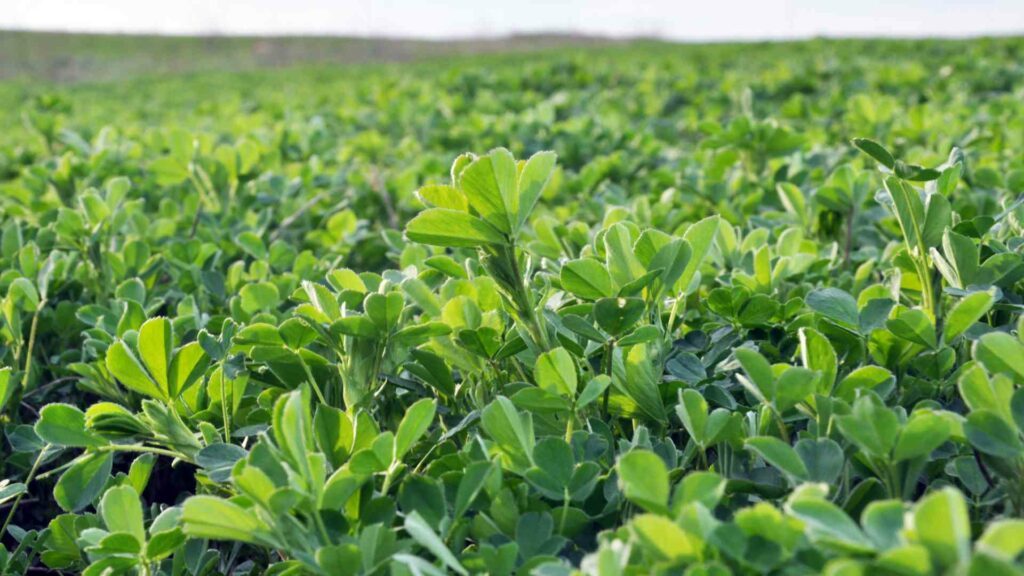
Alfalfa plant need boron to thrive and reach their full potential. It's a trace element, but even in small amounts, it can make all the difference for this plant.
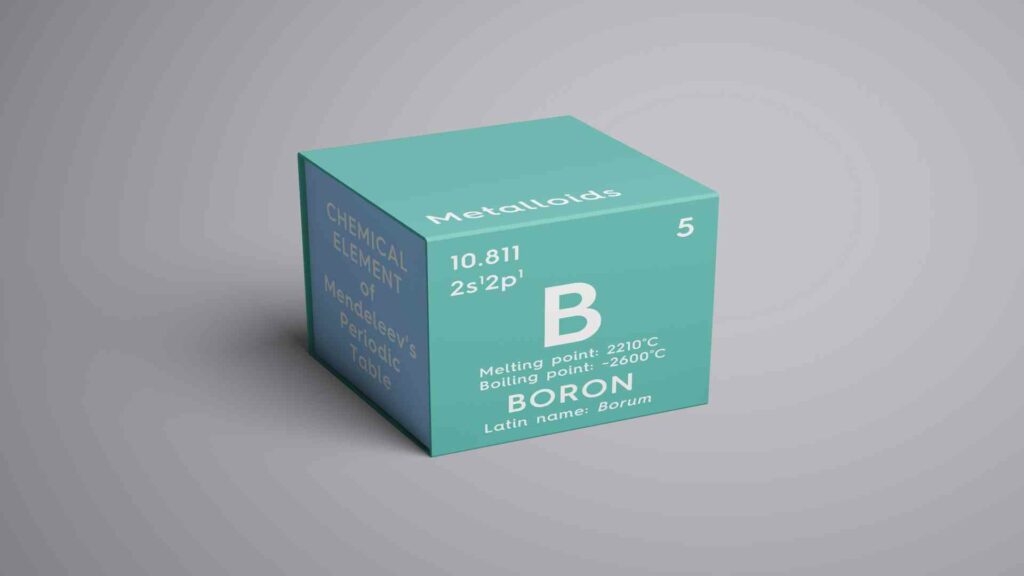
Today, we're going to talk about boron 101 - its chemical properties, where it's found and the mining processes to extract boron from the ground, applications, market size, and demand for boron. Boron 101.
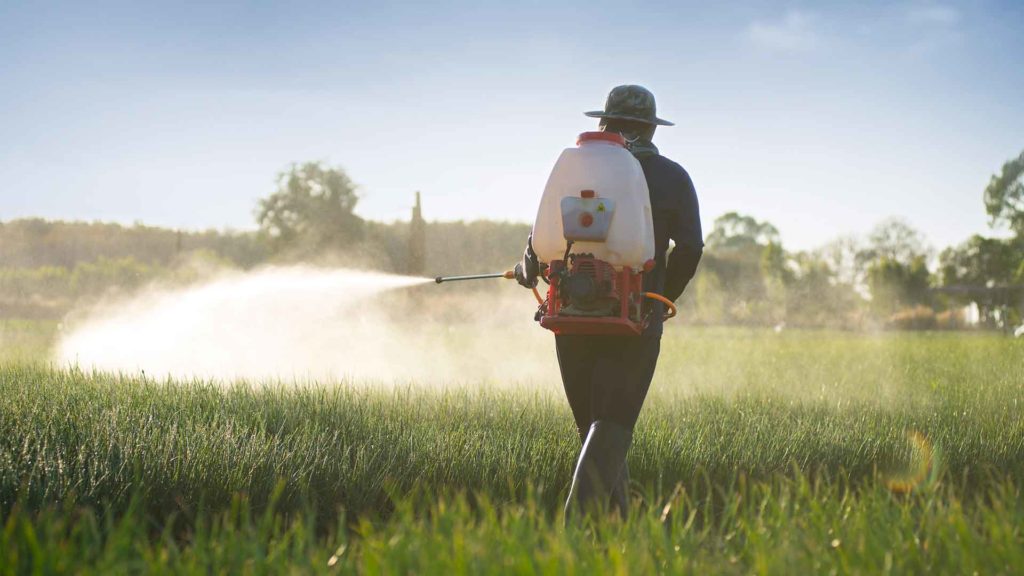
Today, we're going to look at the role of fertilizers in agriculture and in food security. The worldwide fertilizer market, which includes boron fertilizers is estimated to grow with a CAGR of 1.6, 9% up to 2027.
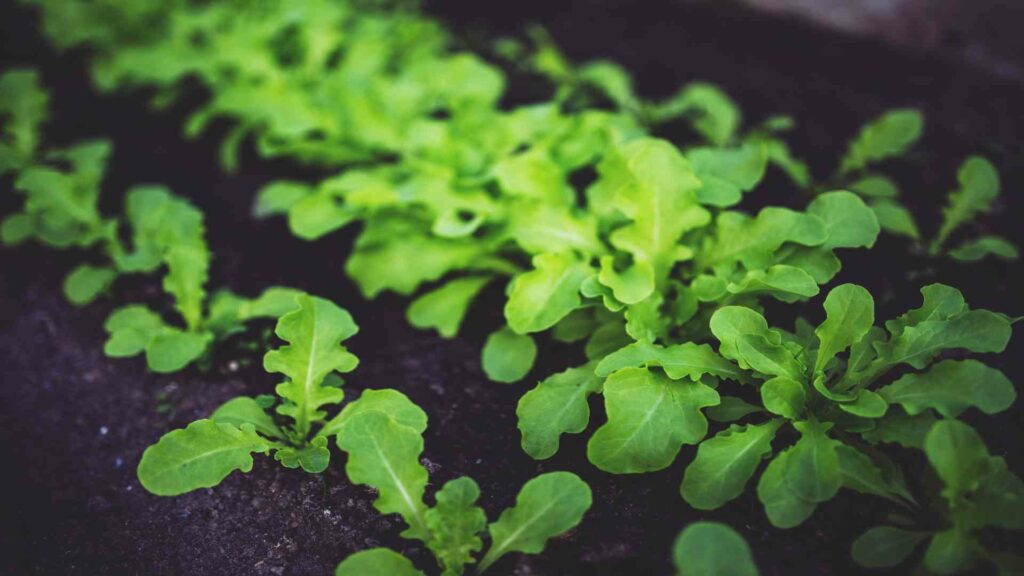
Boron is an essential micronutrient for vegetable plants. While it is required for every vegetable plant, its quantity differs from one kind to another.
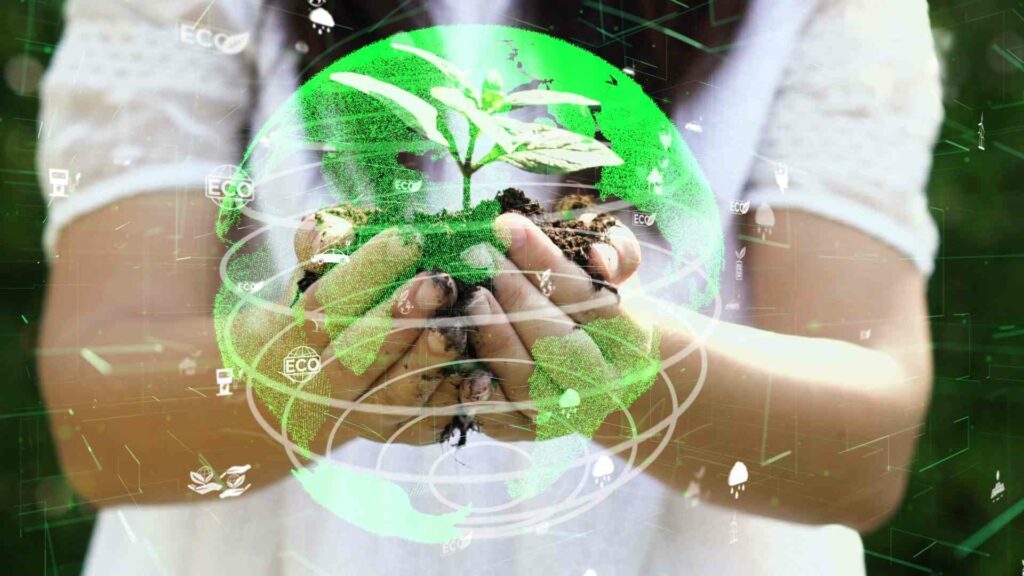
Sustainable farming is an approach to agriculture that focuses on producing food in an environmentally sustainable way. There are various such practices that are explained in the article.
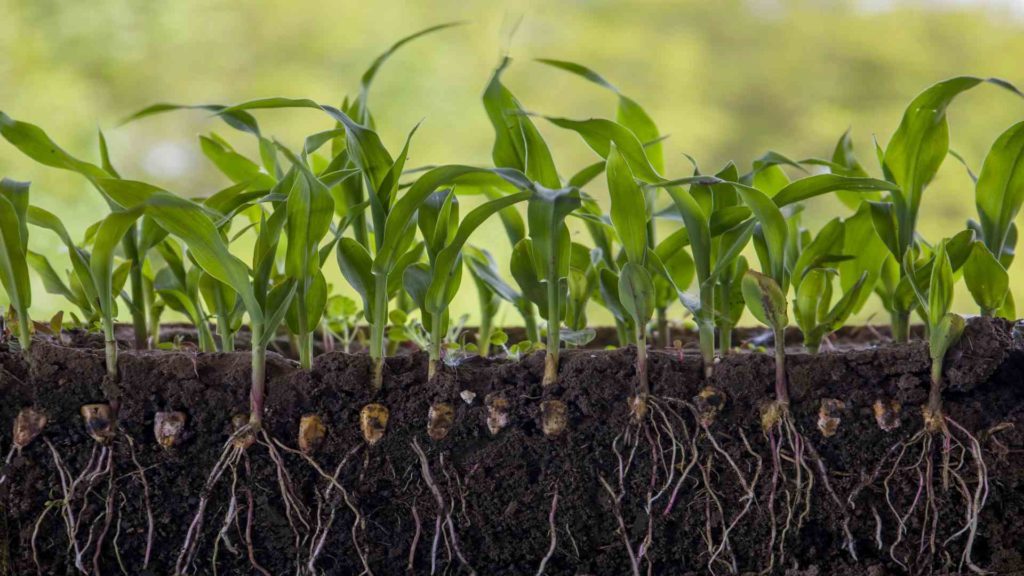
The corn plant is a popular houseplant for its attractive and shiny leaves. Corn is a major food source for humans and animals and is used to manufacture many products, including biofuels. But did you know that a corn plant needs boron to grow and develop properly?
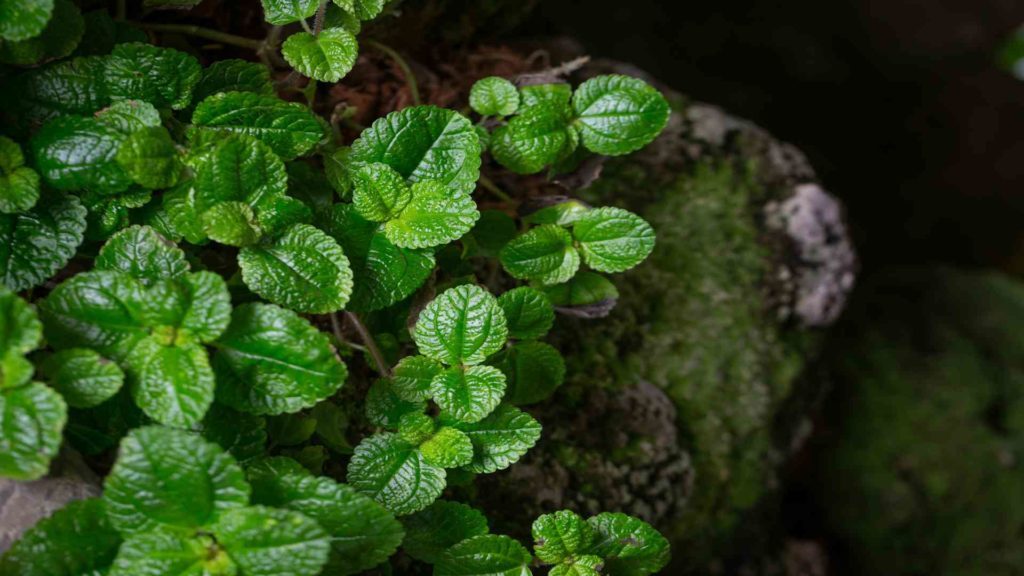
Creeping Charlie weed is difficult to eliminate, but borax can kill the plant's roots, preventing it from spreading, and taking over lawns or gardens.

Coconut palm (Cocos Nucifera) is a tropical tree cultivated for many uses. It produces large, fibrous fruit, an important food, and oil source for millions worldwide. In addition to being a dietary staple, coconuts make various products, including cosmetics, soaps, and detergents.
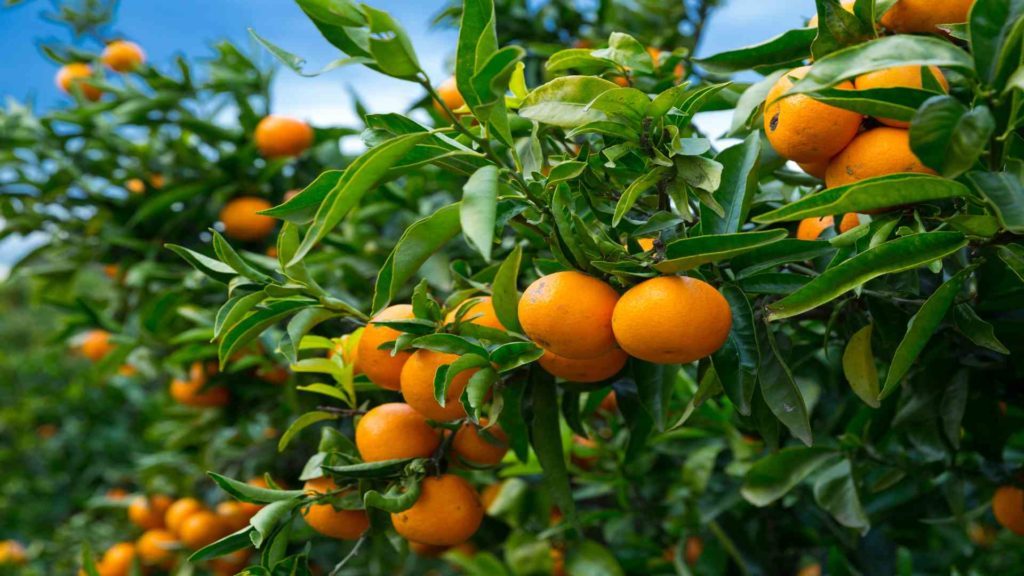
Citrus fruits are an important part of many diets. Boron is a trace element used to produce citrus fruits for plant development and preserve consistent fruit yield and quality.
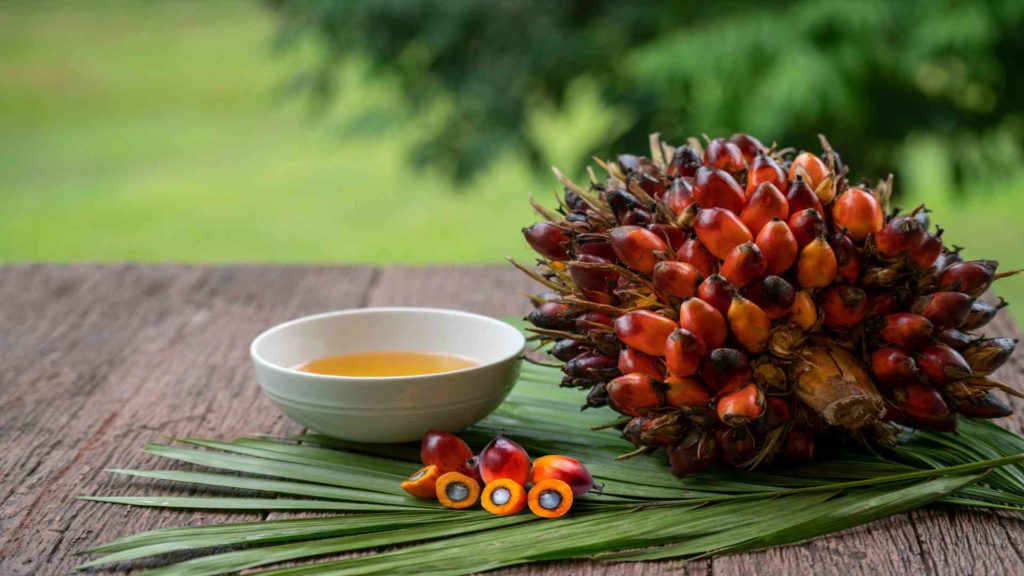
Palm oil is crucial in many food, detergent, and cosmetic products. It requires boron for several key processes in the plant, including pollination, fruit set, and cell wall development.
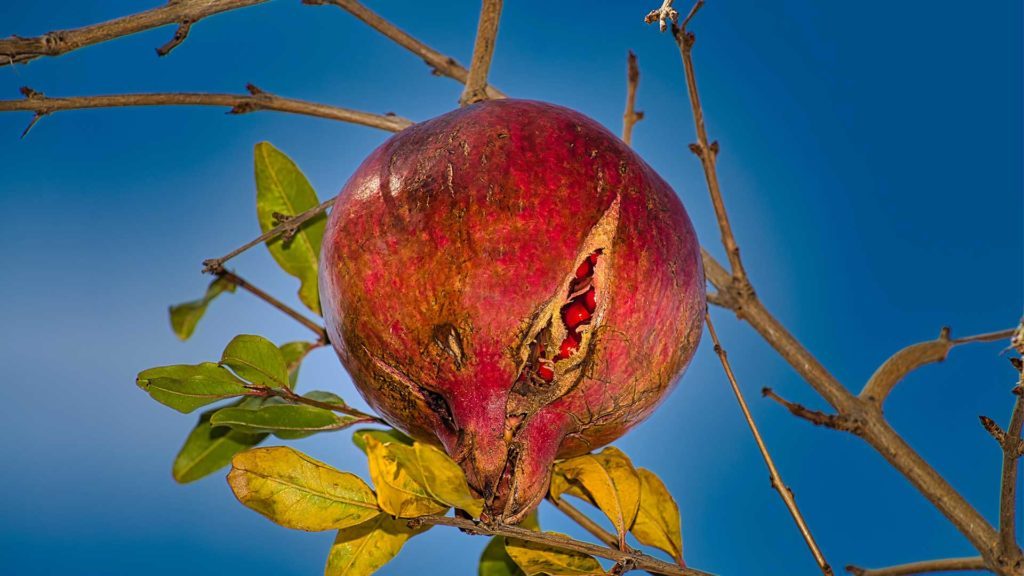
Pomegranate fruit is an excellent source of vitamins C and K, antioxidants, and other minerals. However, the fruit may lose its quality due to fruit cracking. This is due to inadequate water management or lacking essential micronutrients such as boron and calcium.
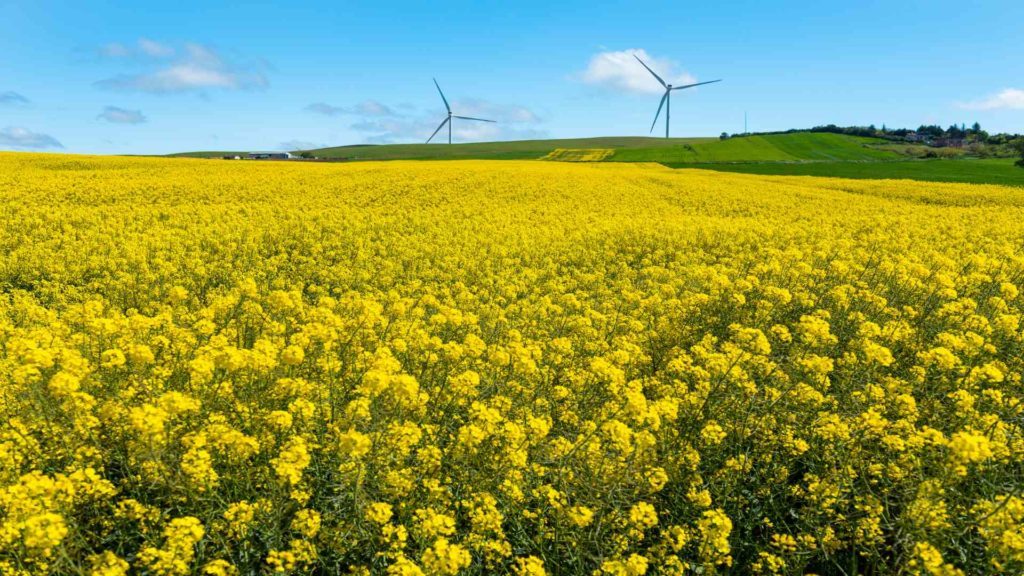
Canola is a Brassica family member with especially high boron requirements. Boron deficiency significantly impacts seed production; yields are doubled when 2 lbs of boron per acre are applied to the canola field with no visual anomalies.
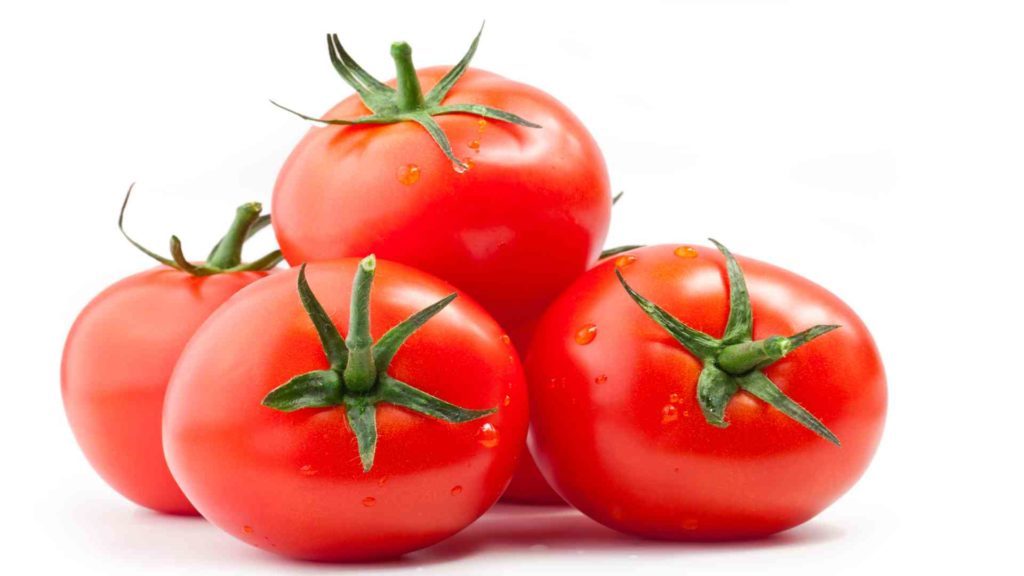
Tomato plants (Lycopersicum esculentum) require boron for proper growth and development. Boron is a micronutrient that helps with cell wall formation, calcium uptake, and meristematic activity.
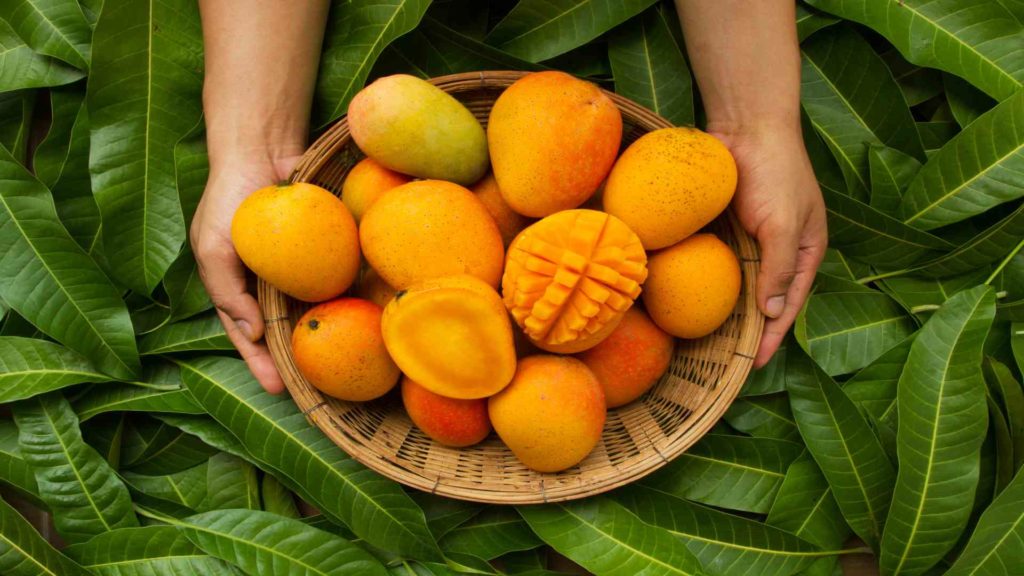
Mango fruit is one of the most popular fruits in the world, known for its sweet taste and juicy flesh. But did you know that boron plays an important role in mango fruit quality? What happens if mangoes are boron-deficient? And, how can the boron level be improved for higher yields and quality?
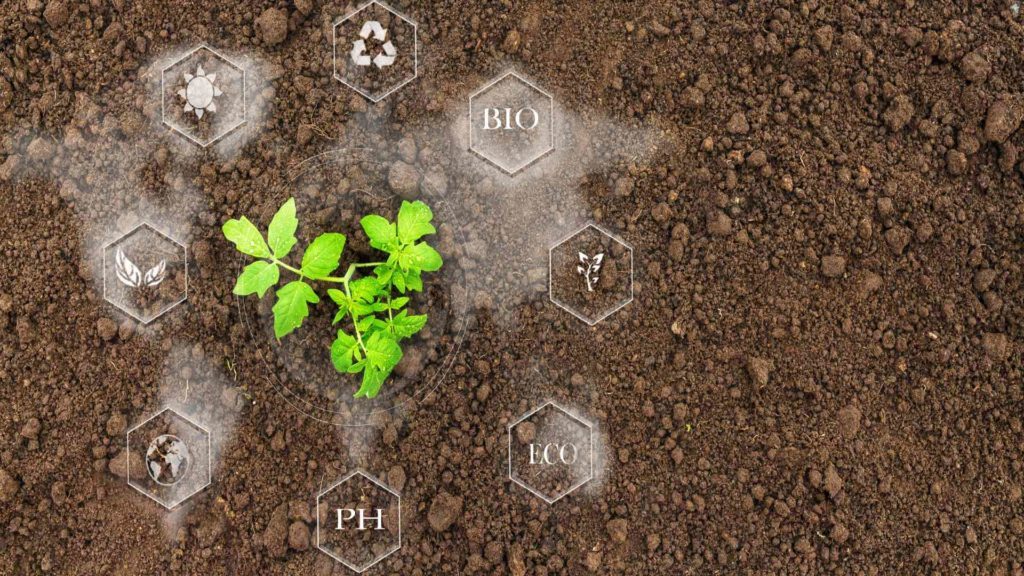
In today's podcast, we're going to look at sustainable agriculture. Sustainable agriculture uses micronutrients such as boron, zinc, and copper to promote soil health and support healthy plant growth.

Palm trees are commonly found in tropical environments, and benefit from the micronutrient boron. Without sufficient micronutrients, their health and growth can be affected.

Electric vehicle batteries are rechargeable batteries that power electric vehicles over a sustained period and are deep cycle batteries.
Sustainable agriculture uses micronutrients such as boron, zinc, and copper to promote soil health and support healthy plant growth.
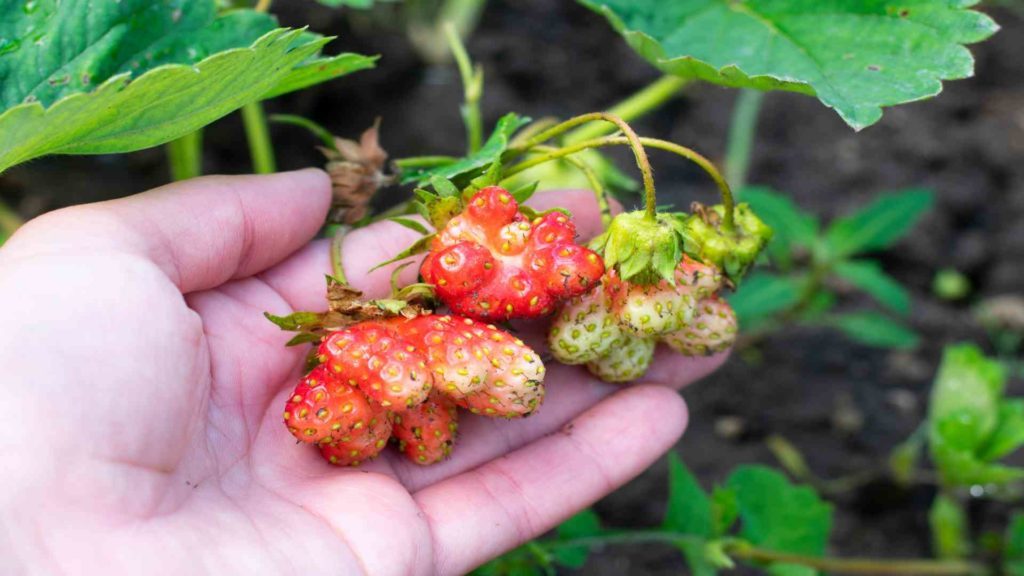
Boron deficiency is the most common micronutrient deficiency that causes crop production and quality losses. But what are its symptoms and cures?
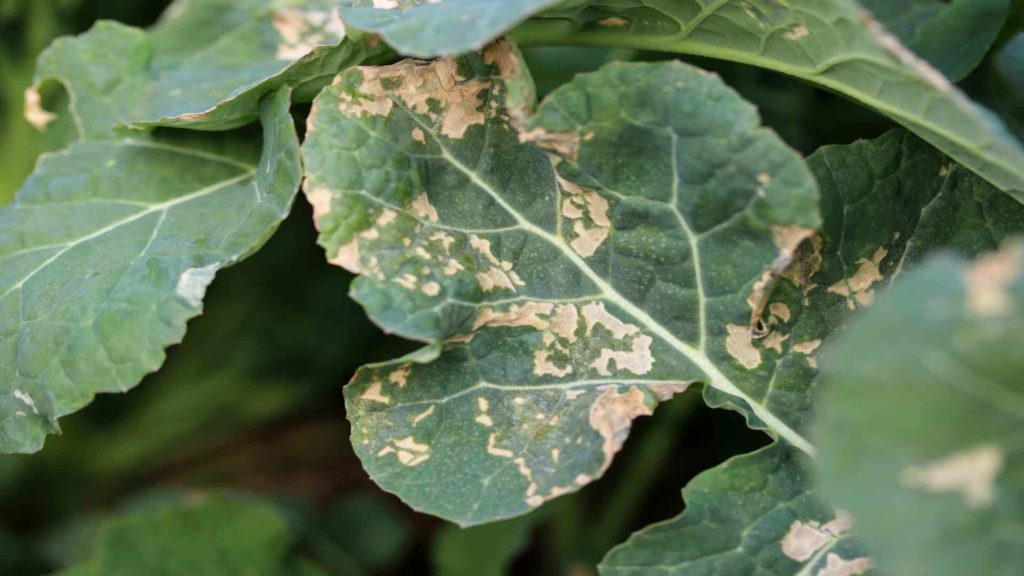
Boron deficiency is widespread around the globe and constrains the growth and development of agriculture and forestry due to the lack of Boron in soil. Trees have a large body size, longer lifespan, and more Boron reserves than herbaceous plants, implying that woody species are more likely to suffer from long-term or mild Boron deficiency.
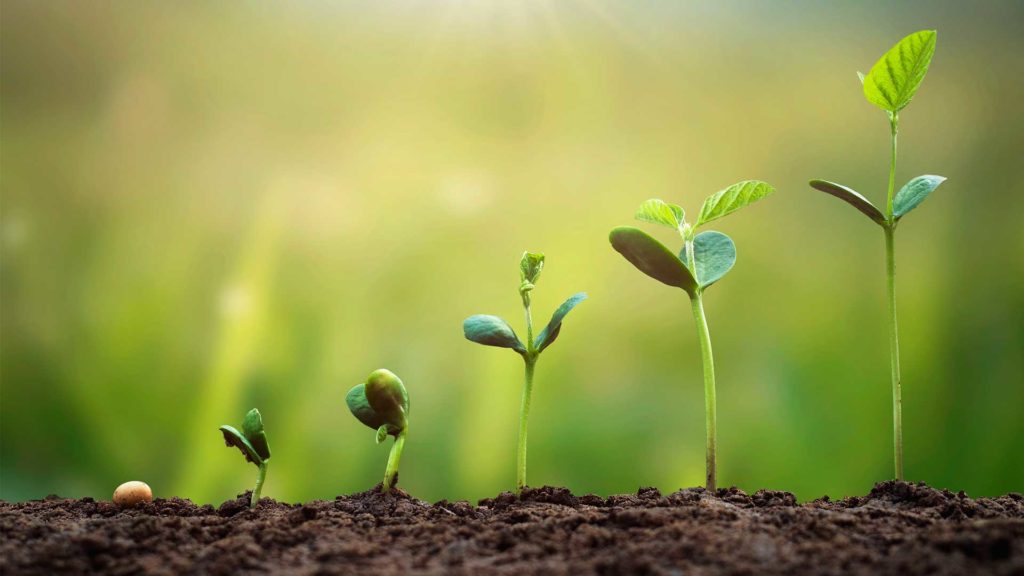
Podcast - Today, we’re going to look at whether boron is essential for plants and healthy plant growth. Boron is a vital nutrient for plants. It plays a crucial role in regulating the development of root and shoot Meristem. And this helps complete the life cycles of plants from seed germination all the way through to a fully grown plant.
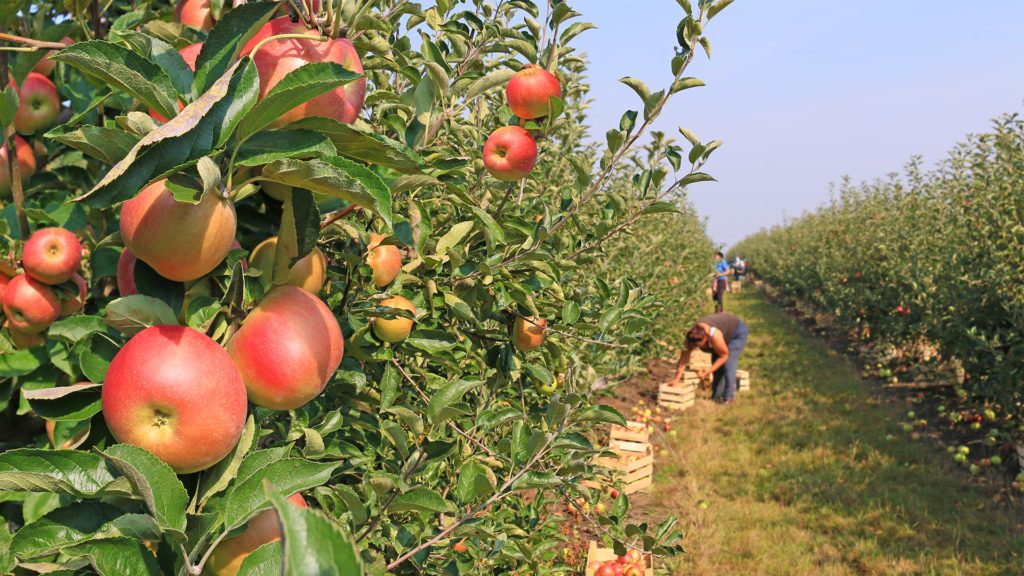
Too much or too little Boron can be harmful when growing fruit. Apple farmers are using scientific approaches to get the right balance of Boron at acceptable levels for nutritious apples. Apples contain many health benefits. A medium apple contains 0.66 mg of Boron, fibre, vitamin C, and potassium.
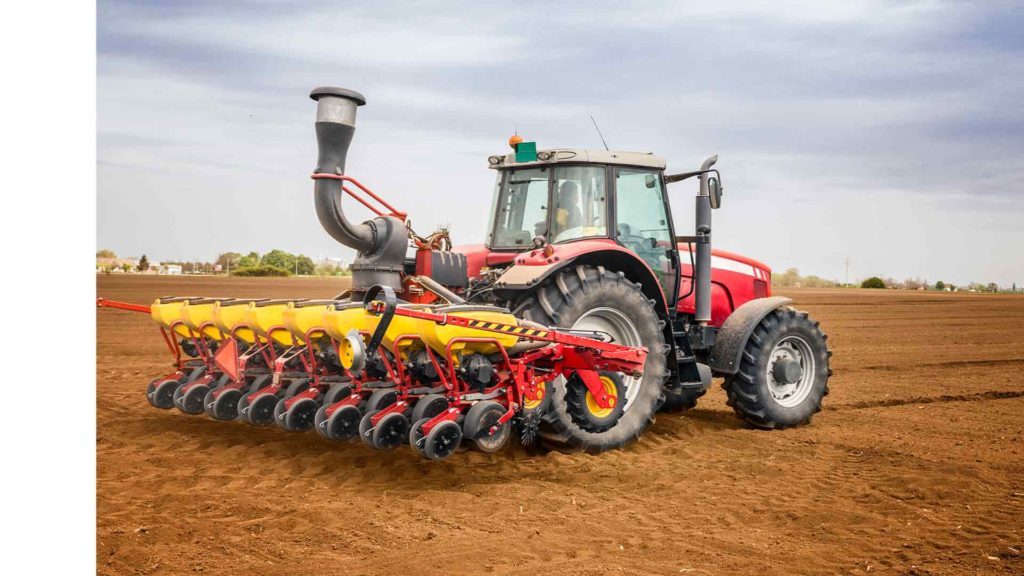
Boron steel is a material that modern agricultural and industrial machinery manufacturers rely on to produce devices of the highest quality.
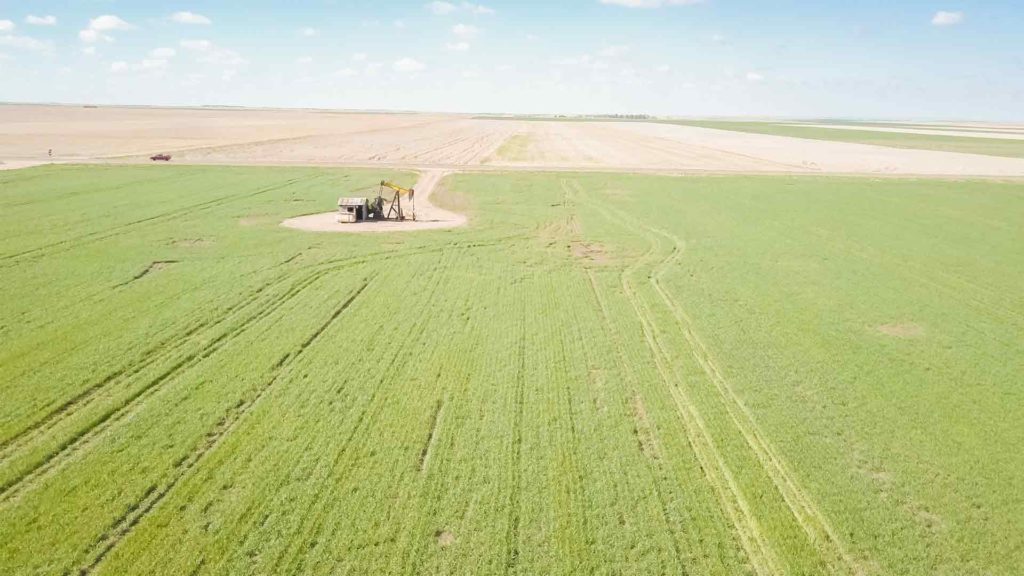
European farmers face a growing problem with fertilizer supply and pricing this spring due partly to a sluggish global economy, tight supply, and trade embargoes driving up prices.
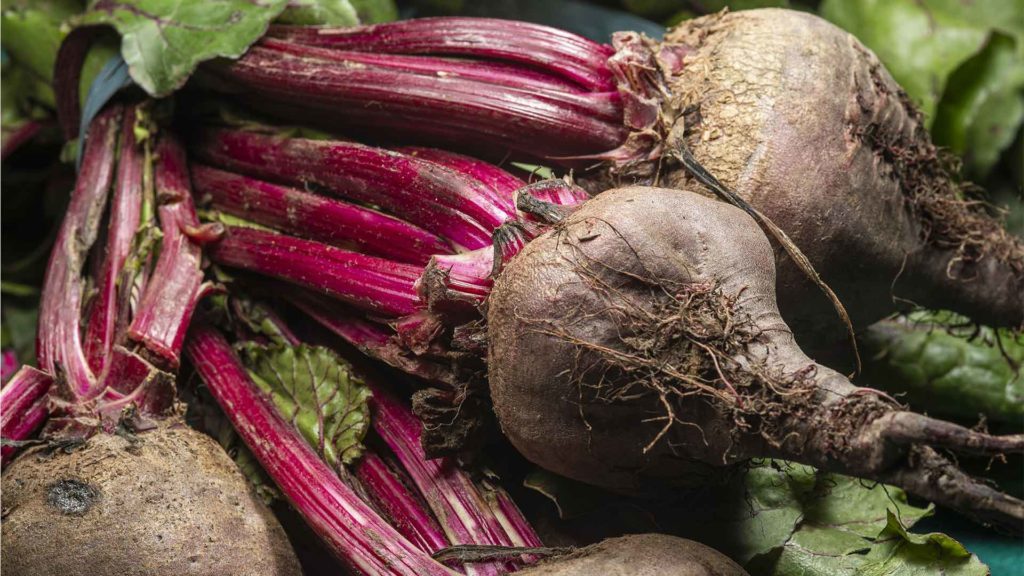
Boron in farming- Boron has long been associated with crops like beet and brassicas and it is important for all crops but at different levels This article first appeared in The Famers Journal on 13 December, 2021 and appears on Borates Today by permission. © Andy Doyle, The Farmers Journal https://farmersjournal.ie Boron on the Farm

Boron in Road Construction: Boron waste is discharged in the production of borax pentahydrate, borax decahydrate, anhydrous borax, and other compounds, with volumes increasing annually. But there is a solution. Given the right circumstances, boron waste can build a strong road base.
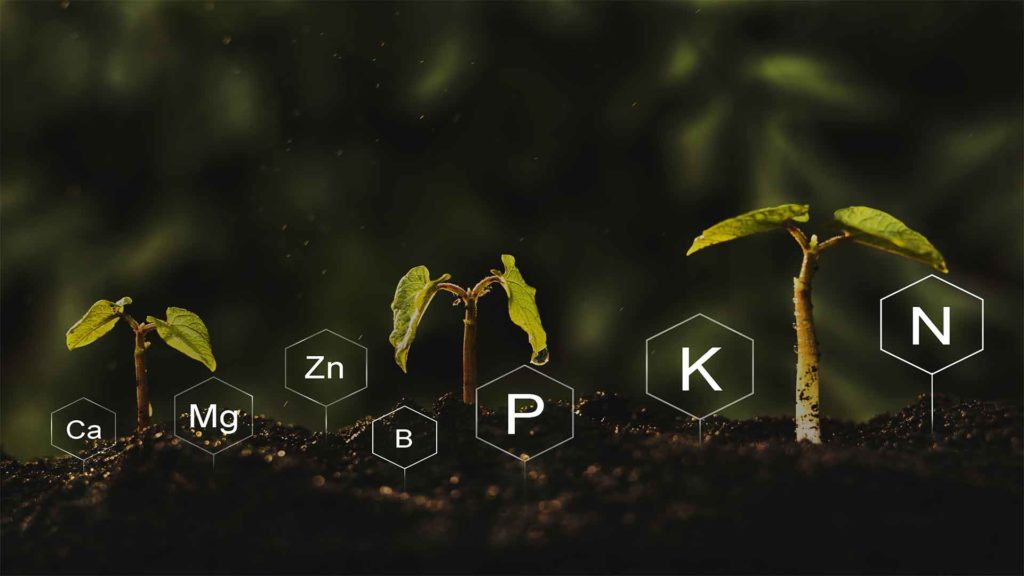
The use of boron is a crucial component to farming success. Because without adequate levels, crops cannot grow or can harvest successfully. Soil with inadequate amounts of elemental boron does not provide enough nutrients that plants need to survive. Thus, it leads them into an unhealthy state which causes their growth rates to decrease immensely. This happens not just when first planted but also during maturity and harvest periods.

Boron for plants is an important micronutrient for plant growth. Boron deficiency in plants can lead to stunted growth and death of the plant. In addition, boron helps stop deforestation by preventing trees from taking up nutrients they require due to a lack of boron.

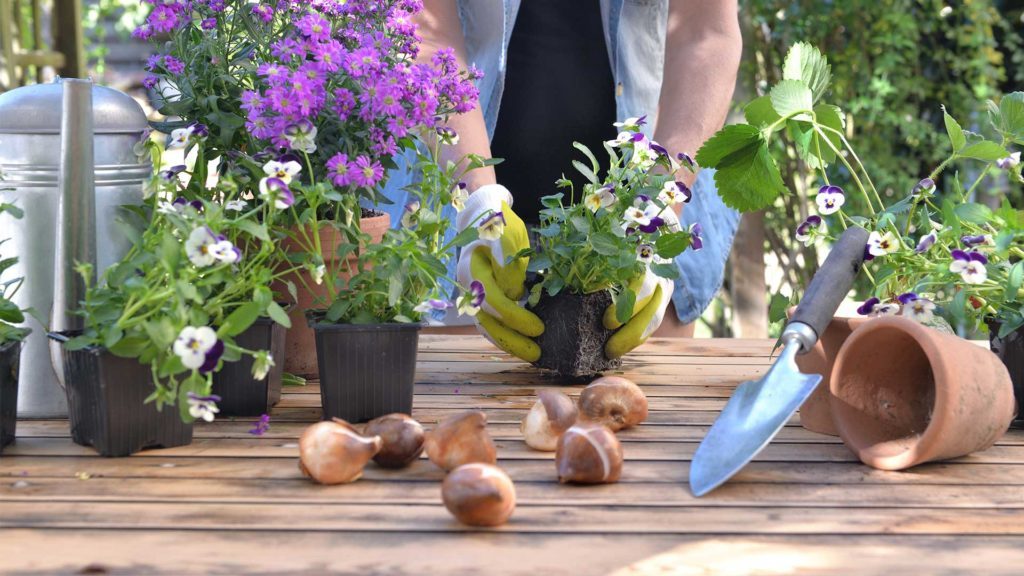
Boron is a mineral of importance to plant growth and health; it is involved in processes like cell division, pollination, and seed production.
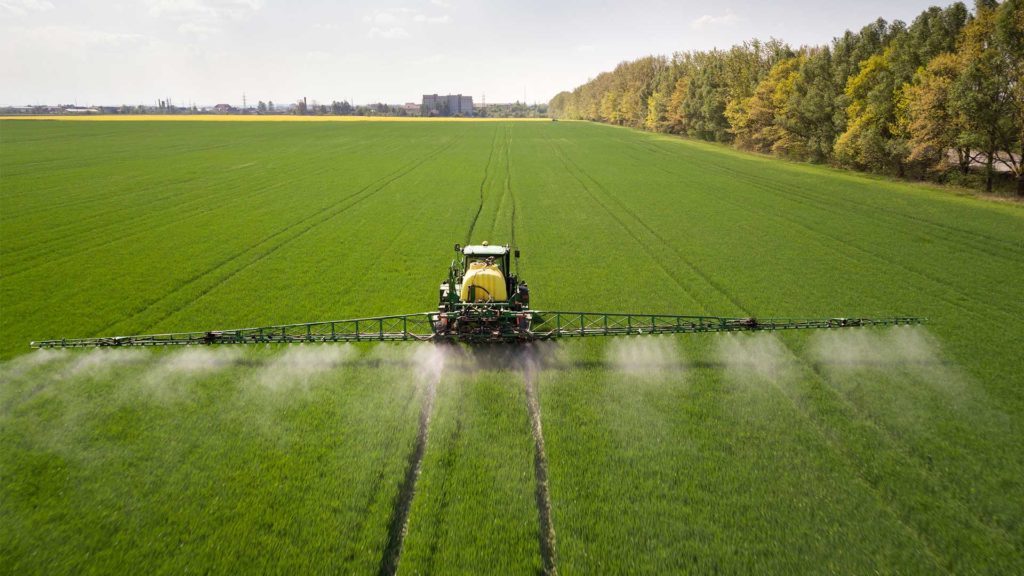

Boron helps to improve the efficiency of nitrogen fertilizers by making them more available to plants and plays a vital role in Food Security. Industrial production of fertilizer has increased necessitating a need for sustainability with boron and nitrogen that drive industry.

Bacteria Boron-Carbon is a type of bacteria that is found in the soil, water, and air. Boron-Carbon is effective in treating disease-causing bacteria found naturally on plant surfaces, such as treatment for managing diseases like leaf spots and powdery mildew.
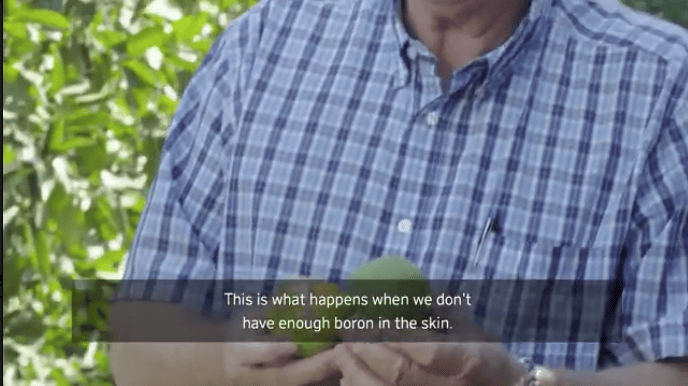
Progressively Agriculture needs to become efficient to give a population that Is developing. As a factor that is crucial to crop development. Boron feeds the world
Alfalfa plant need boron to thrive and reach their full potential. It's a trace element, but even in small amounts, it can make all the difference for this plant.
Today, we're going to talk about boron 101 - its chemical properties, where it's found and the mining processes to extract boron from the ground, applications, market size, and demand for boron. Boron 101.
Today, we're going to look at the role of fertilizers in agriculture and in food security. The worldwide fertilizer market, which includes boron fertilizers is estimated to grow with a CAGR of 1.6, 9% up to 2027.
Boron is an essential micronutrient for vegetable plants. While it is required for every vegetable plant, its quantity differs from one kind to another.
Sustainable farming is an approach to agriculture that focuses on producing food in an environmentally sustainable way. There are various such practices that are explained in the article.
The corn plant is a popular houseplant for its attractive and shiny leaves. Corn is a major food source for humans and animals and is used to manufacture many products, including biofuels. But did you know that a corn plant needs boron to grow and develop properly?
Creeping Charlie weed is difficult to eliminate, but borax can kill the plant's roots, preventing it from spreading, and taking over lawns or gardens.
Coconut palm (Cocos Nucifera) is a tropical tree cultivated for many uses. It produces large, fibrous fruit, an important food, and oil source for millions worldwide. In addition to being a dietary staple, coconuts make various products, including cosmetics, soaps, and detergents.
Citrus fruits are an important part of many diets. Boron is a trace element used to produce citrus fruits for plant development and preserve consistent fruit yield and quality.
Palm oil is crucial in many food, detergent, and cosmetic products. It requires boron for several key processes in the plant, including pollination, fruit set, and cell wall development.