Energy Transition: Boron is the Solution
The energy transition employs boron for mitigating climate change. It is used in renewable energy, electrical energy efficiency, and electric mobility.

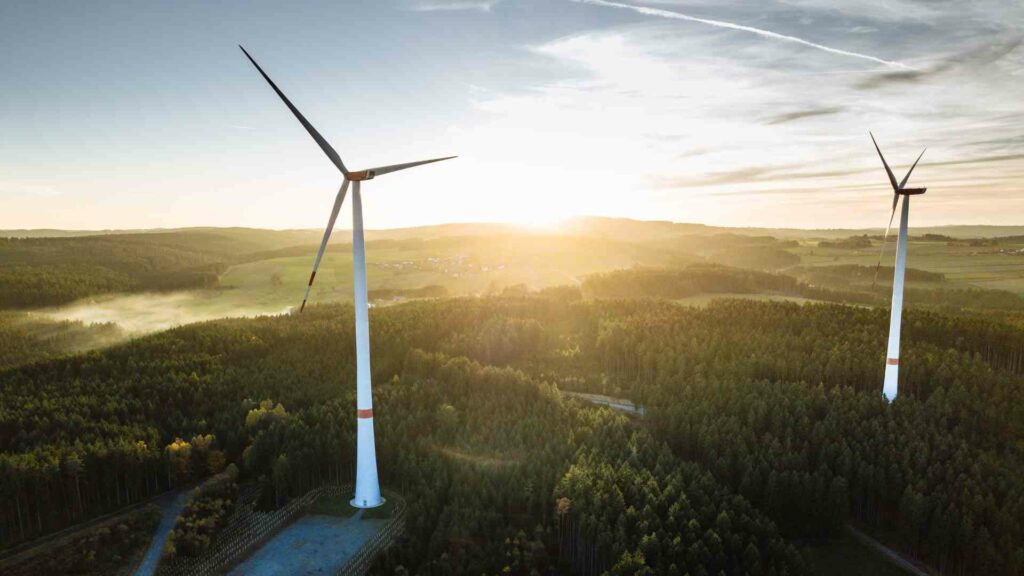
The energy transition employs boron for mitigating climate change. It is used in renewable energy, electrical energy efficiency, and electric mobility.
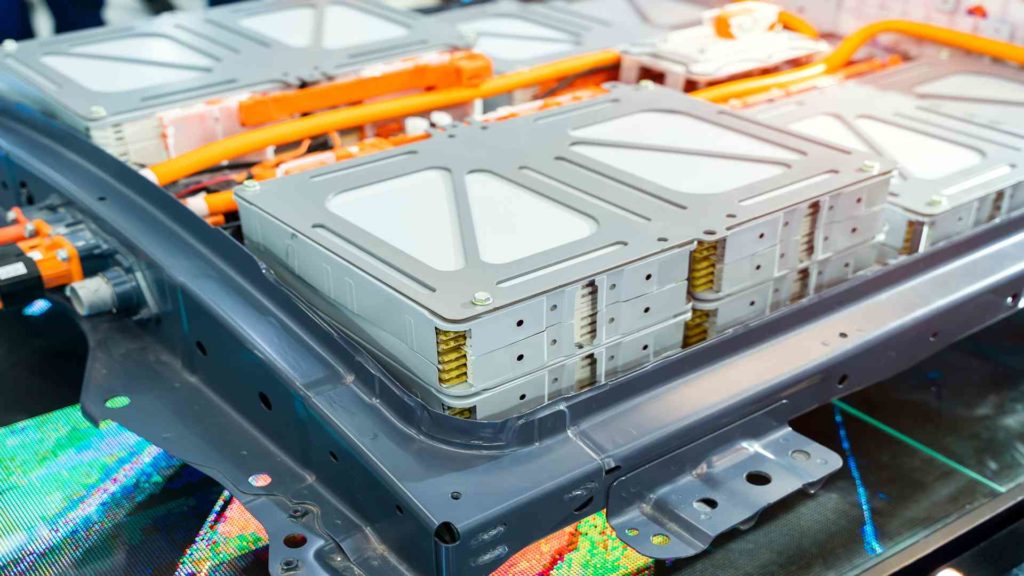
In today's podcast, we're going to look at electric vehicle, EV batteries. Electric vehicle batteries are rechargeable batteries that power electric cars bikes and scooters. They are specifically designed to give power over a sustained period and are deep cycle batteries.
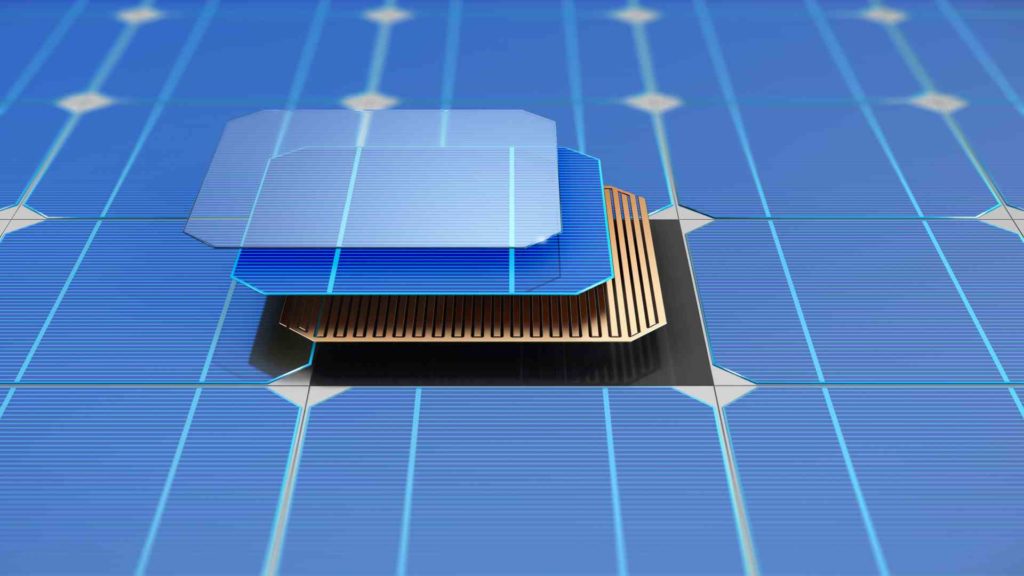
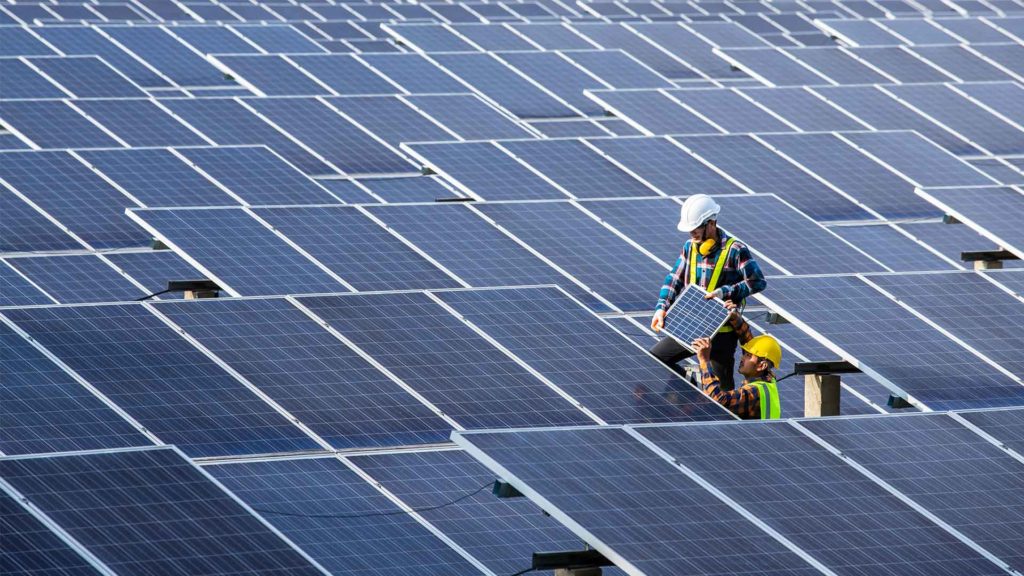
In today's podcast, we're going to look at the science of solar energy with solar cells. A solar cell, also called a photovoltaic cell or PV, is the basic building block of a solar power system. It's made up of semiconductor materials that convert sunlight into electricity. But how does it all work? And what role does boron play in solar cells?
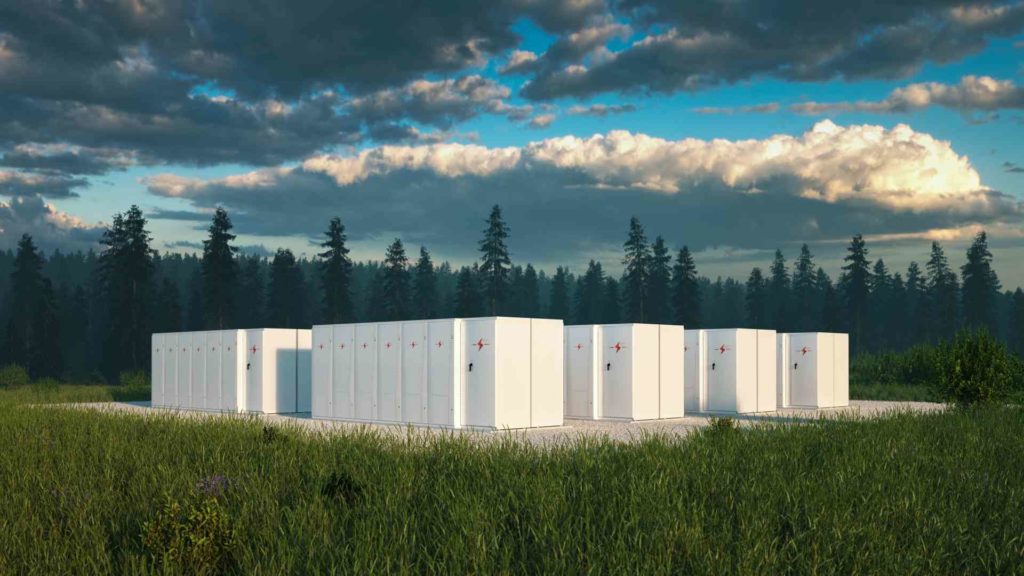
Energy storage is a key piece of the puzzle in easing energy transition, and a new system developed by scientists at TU Wien can store a large amount of energy in an eco-friendly way.
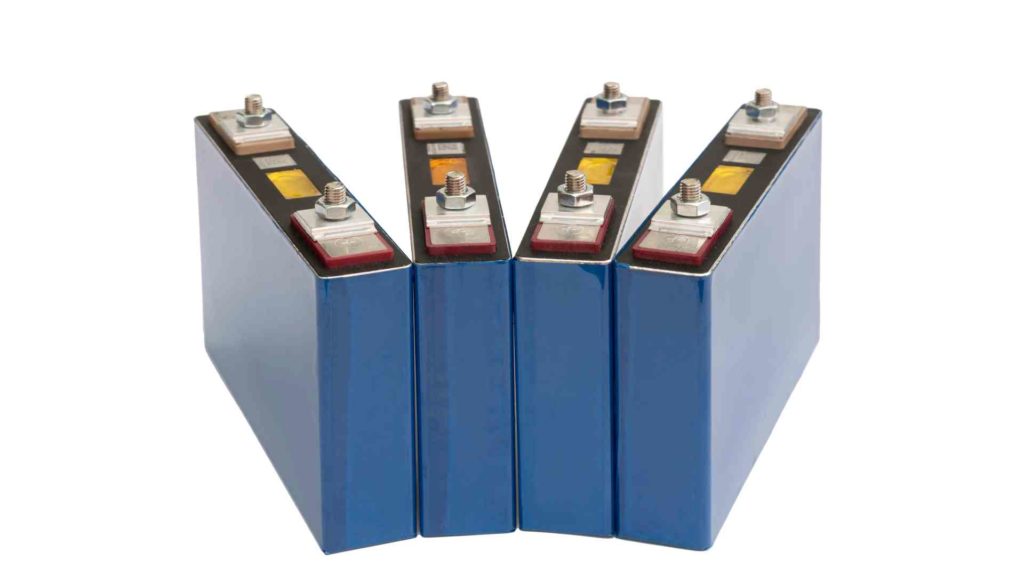
Tesla announced LiFePO4 batteries as the new transition in all standard vehicles. But what exactly are they? Are they better than Li-Ion batteries?
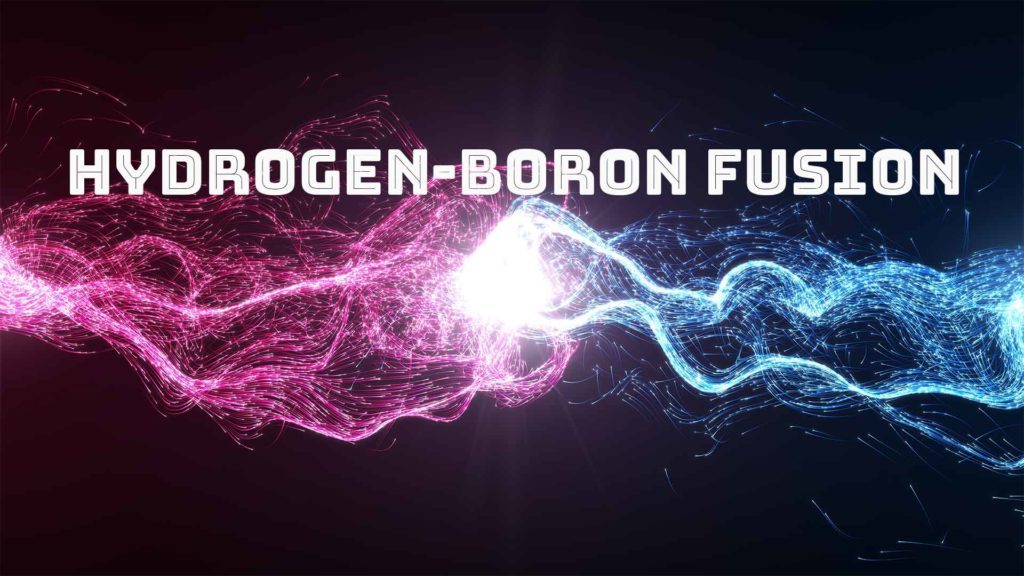
Hydrogen-boron fusion is a new area with exciting potential for vehicles and transportation. There has been much debate about securing sufficient supplies of lithium and cobalt to power electric vehicles and replace two billion diesel/petrol vehicles currently on the roads.

Boron in traction motors – Smarter, better, cheaper, faster — those words are the mantra of today’s global economy. As organizations seek to streamline operations and do more with less, they increasingly focus on advanced logistics vehicles and mobile robots to help get the job done. From smart warehousing in retail to materials handling in manufacturing to telepresence robots in healthcare, robotic vehicles constitute a fast-growing technology sector.

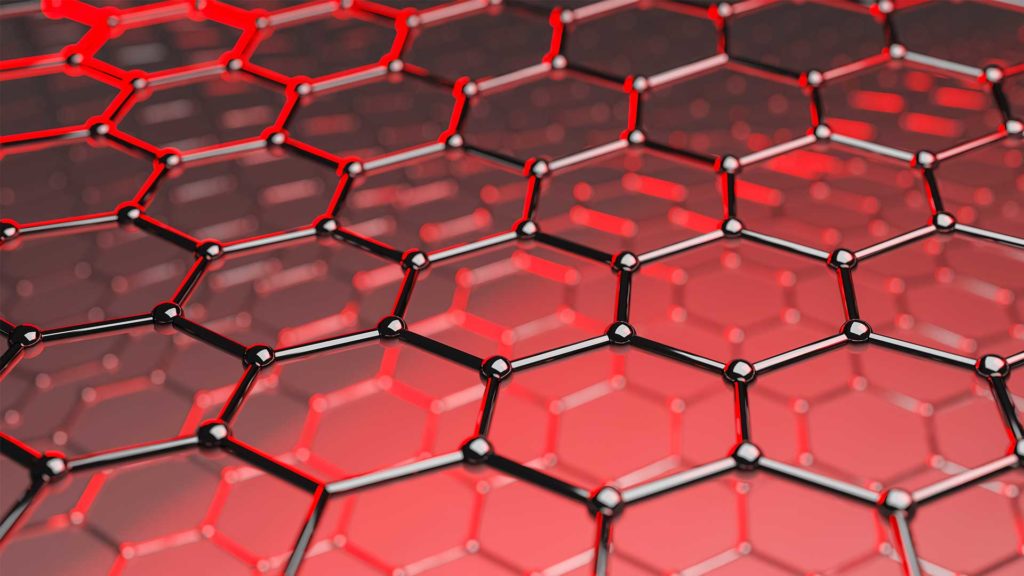
The materials of the future is here now! Boron doped Graphene (B-G) happens to be developed as an anode product for lithium-ion batteries!
The energy transition employs boron for mitigating climate change. It is used in renewable energy, electrical energy efficiency, and electric mobility.
In today's podcast, we're going to look at electric vehicle, EV batteries. Electric vehicle batteries are rechargeable batteries that power electric cars bikes and scooters. They are specifically designed to give power over a sustained period and are deep cycle batteries.
In today's podcast, we're going to look at the science of solar energy with solar cells. A solar cell, also called a photovoltaic cell or PV, is the basic building block of a solar power system. It's made up of semiconductor materials that convert sunlight into electricity. But how does it all work? And what role does boron play in solar cells?
Energy storage is a key piece of the puzzle in easing energy transition, and a new system developed by scientists at TU Wien can store a large amount of energy in an eco-friendly way.
Tesla announced LiFePO4 batteries as the new transition in all standard vehicles. But what exactly are they? Are they better than Li-Ion batteries?
Hydrogen-boron fusion is a new area with exciting potential for vehicles and transportation. There has been much debate about securing sufficient supplies of lithium and cobalt to power electric vehicles and replace two billion diesel/petrol vehicles currently on the roads.
Boron in traction motors – Smarter, better, cheaper, faster — those words are the mantra of today’s global economy. As organizations seek to streamline operations and do more with less, they increasingly focus on advanced logistics vehicles and mobile robots to help get the job done. From smart warehousing in retail to materials handling in manufacturing to telepresence robots in healthcare, robotic vehicles constitute a fast-growing technology sector.